Friday, November 5, 2021

Pyramids!

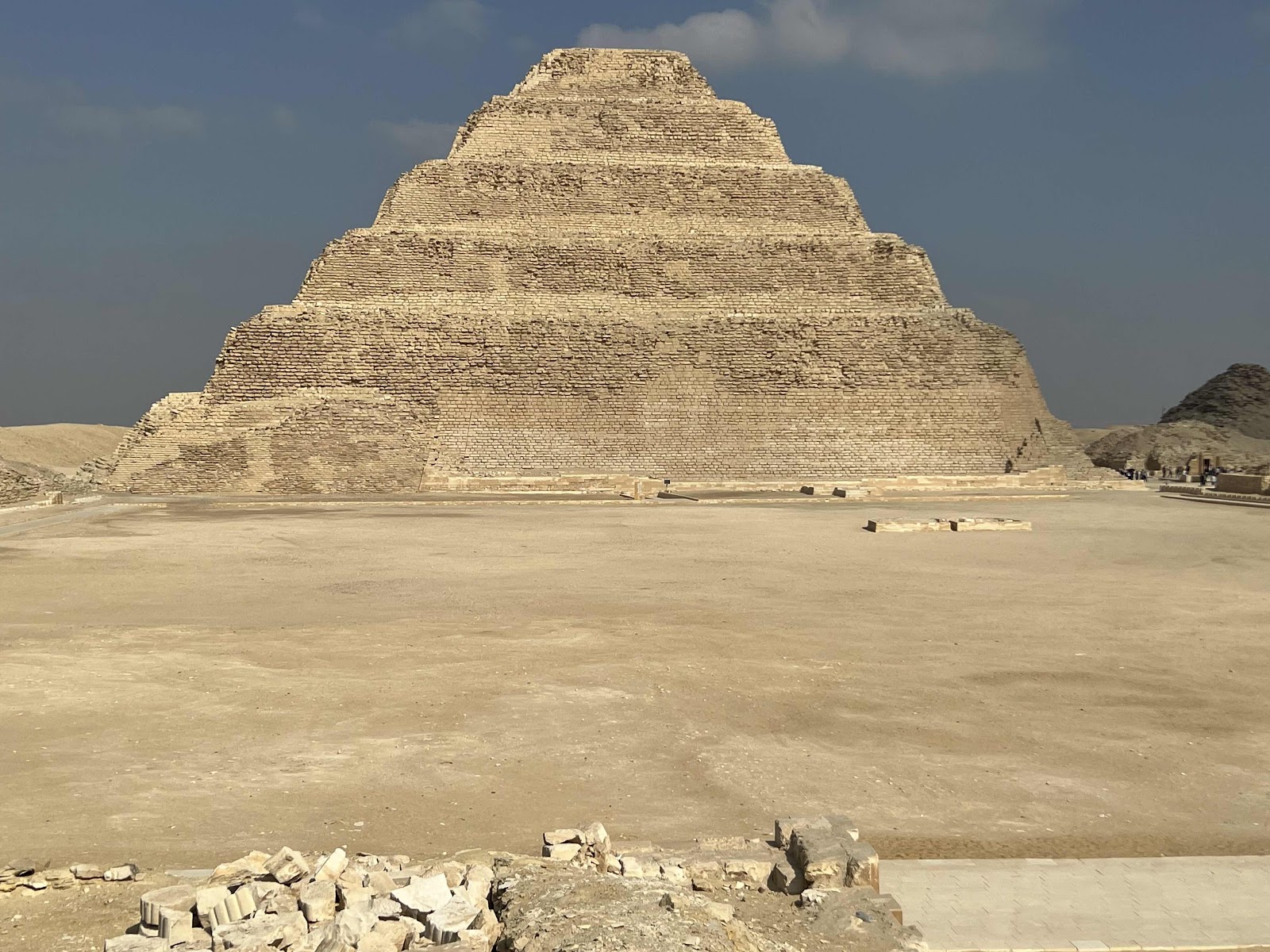
Friday November 5 — We started today’s tour at Siqqara or Sakkara where one of the first pyramids was erected.  This pyramid did not have a very good foundation and they did not use a covering stone to protect the rocks underneath, therefore it looks like a pile of rubble.  The builder tried again and was successful in creating what is now called a step pyramid. This pyramid has six steps but has no burial sites inside of it.  It’s a solid pyramid built during King Djoser’s reign.


The era of the pyramids runs from 2800 BC to around 1700 BC.  There is no record of foreigners in 2800 BC Egypt and the Hebrews arrive when pyramids were no longer being built.  So no slaves were used to build them.

The stones came from upper Egypt, carried on boats.  Causeways were used to bring the stone up from the river to the temple site then rolled up a ramp to each level.


Burial shafts were discover near the Step Pyramid with up to 30 mummies inside.  The shafts were 150 feet deep and held nobles and important people but not kings or Pharaohs.
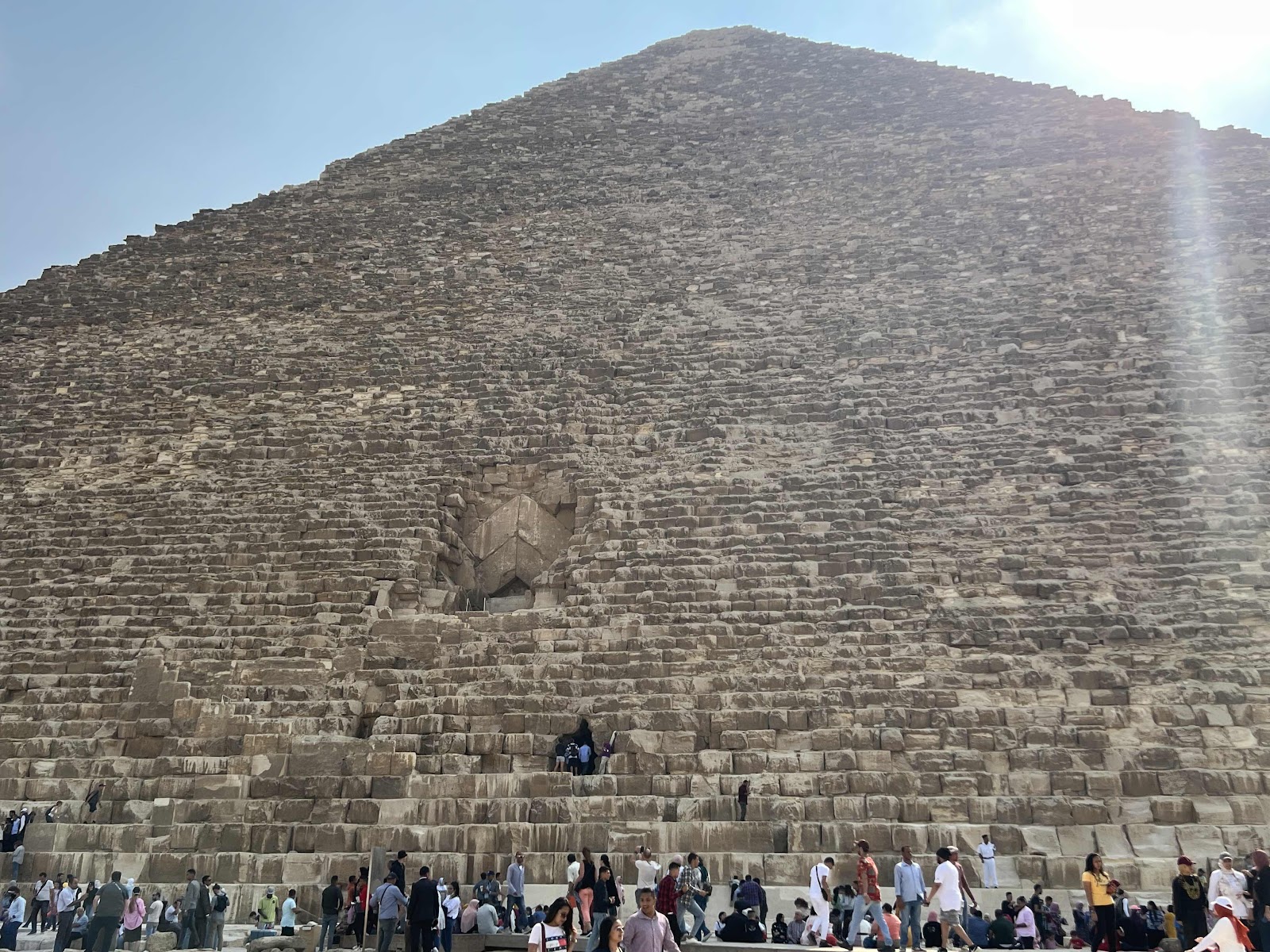
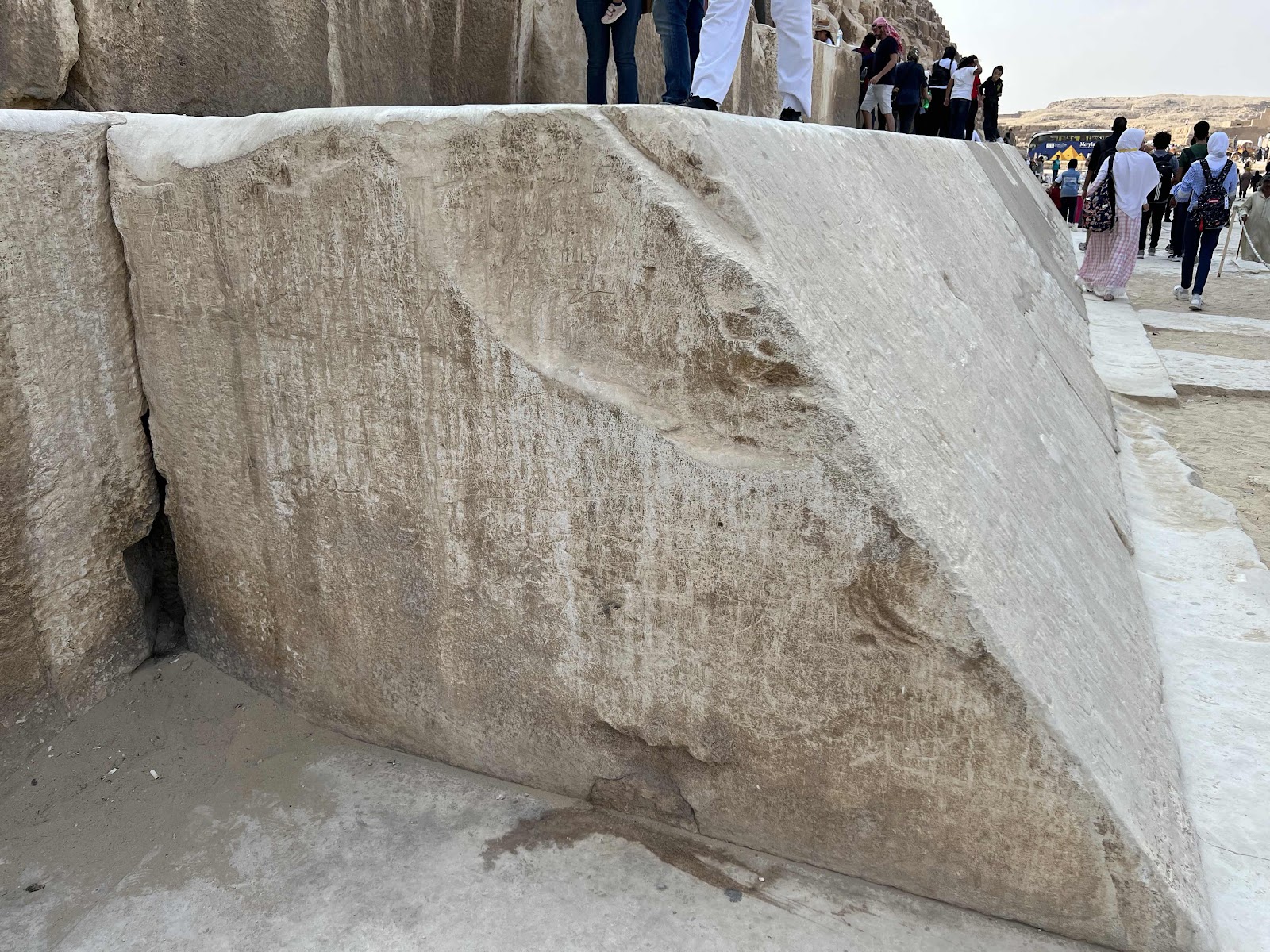
By the time the Great Pyramids of Giza were constructed the architects had learned how to build something more permanent. The Great Pyramid is 480 feet from top to bottom and has 204 levels.  It’s sides are 750 feet long and the base covers 13.5 acres.  The bottom 56 layers are carved from the bedrock then each additional layer is constructed by moving stones up a spiral ramp.  The rooms, tombs, tunnels and passageways are incorporated into each layer as it is constructed.  The last stones added are casing blocks that have a 90º angle against the body with a 52º angle on the outside and is all in white stone.


During the time of the pyramids no foreigners were in Egypt and the Hebrews were not present until 1600 BC when the pyramids were not longer being constructed so no slaves were used to build the structures (also no aliens).  The three small pyramids near the big one were built for the queens.

There is a theory that the Sphinx and its two temples are older than the pyramids, having been created in the 10th century BC. 

Thursday, November 4, 2021

Cairo Museum and Mosques

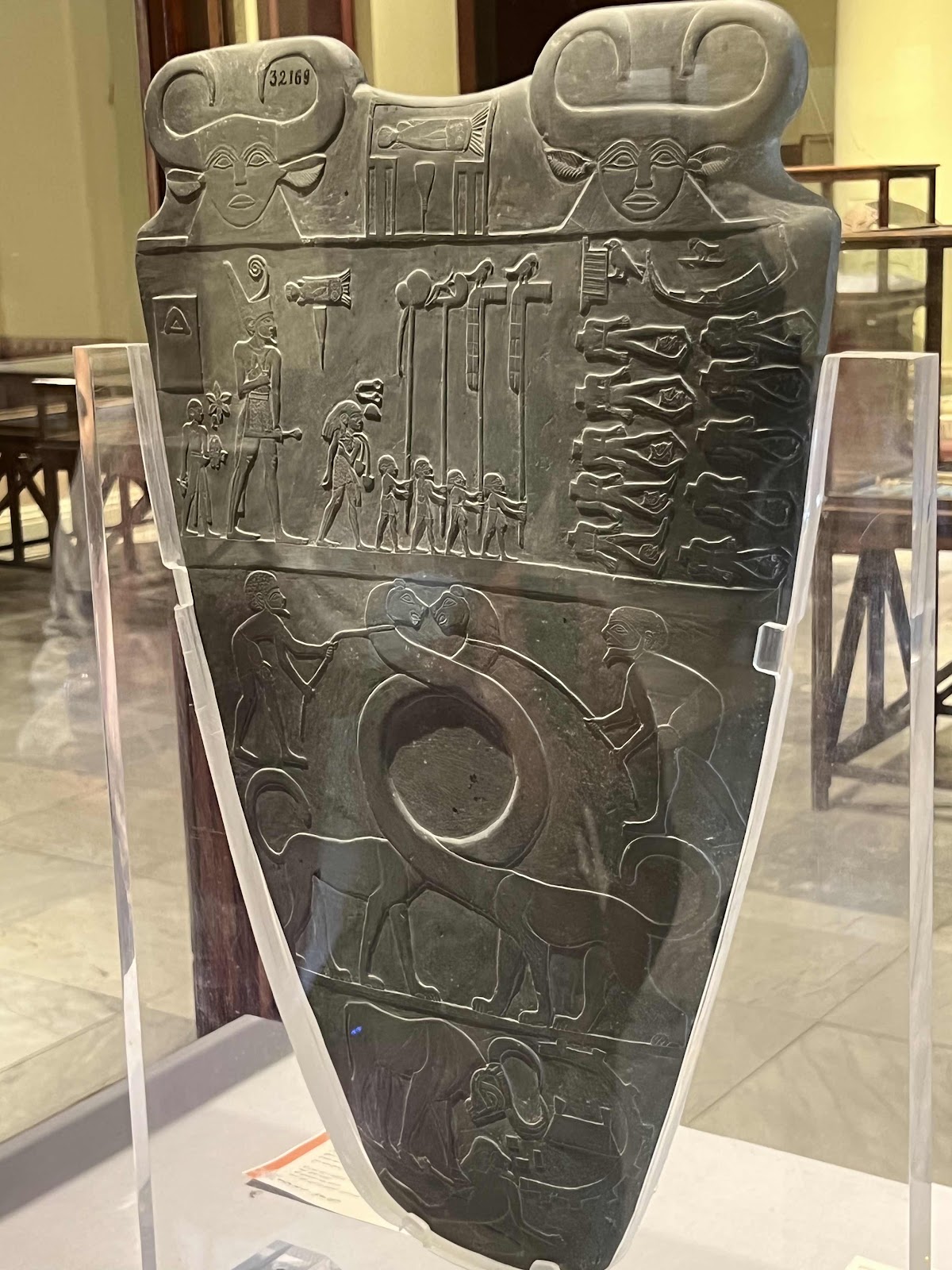
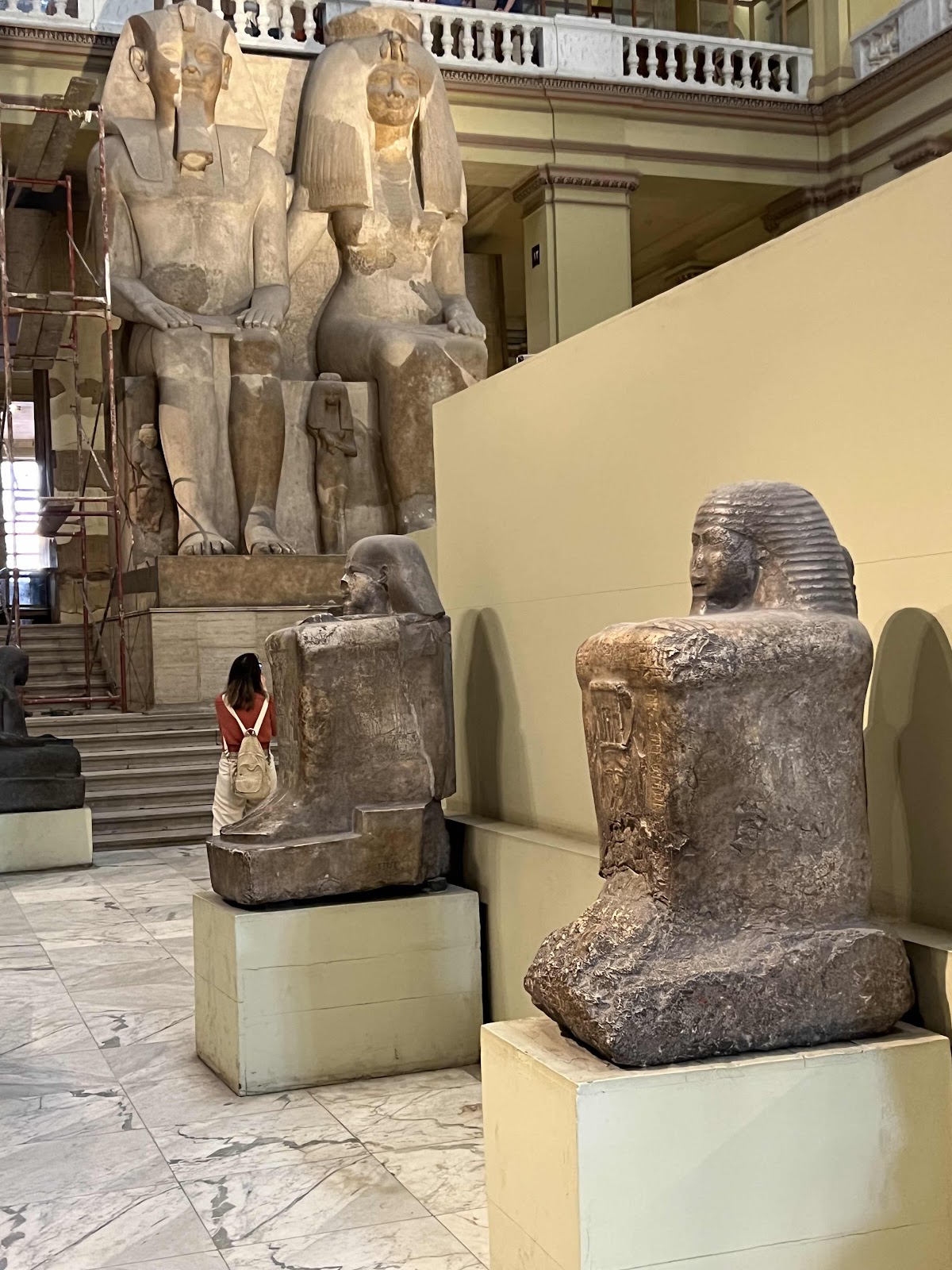
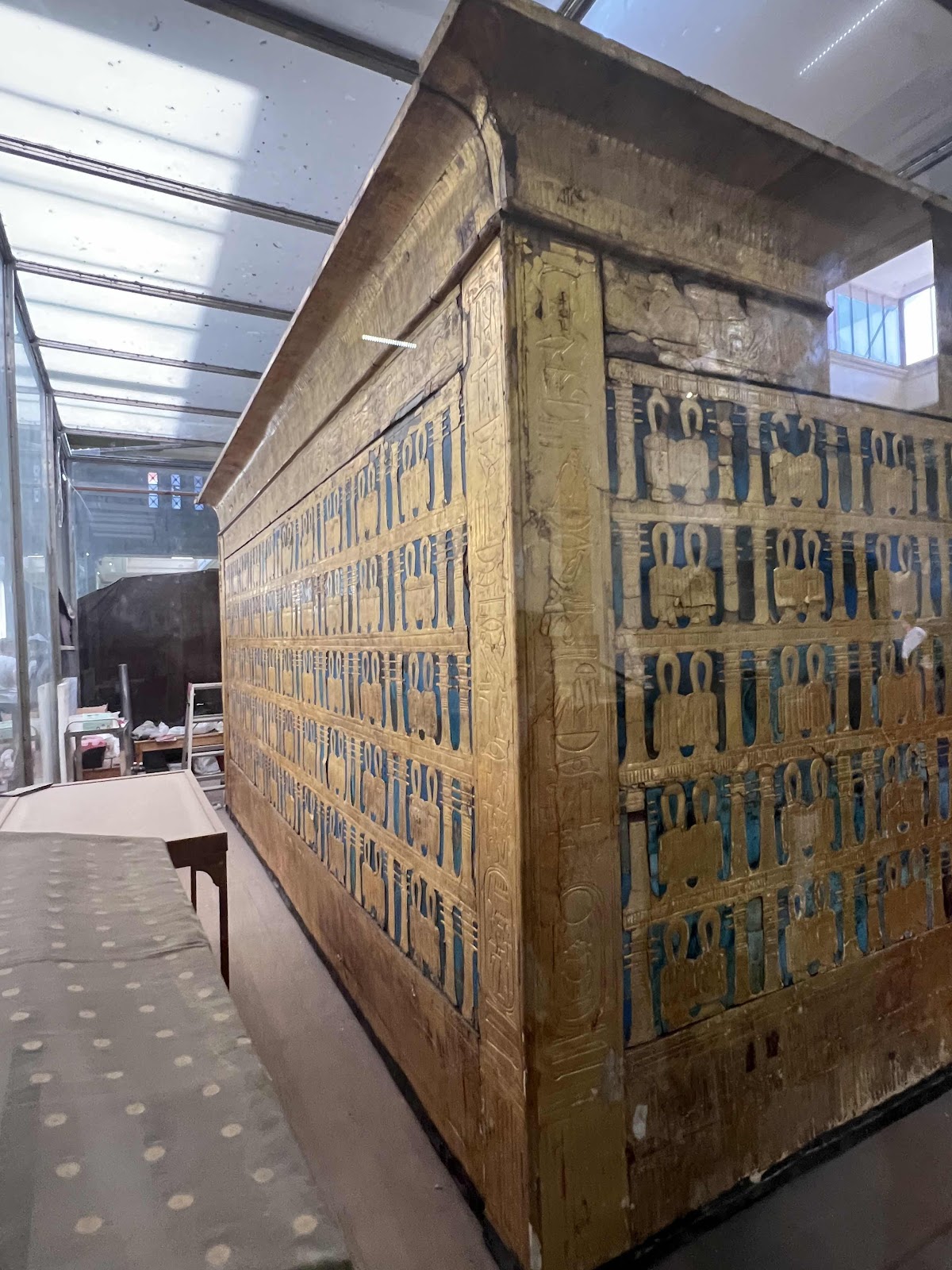
Thursday November  4 — We spent the morning at the Egyptian Museum of Antiquities .  This 120 year old building will soon be emptied of its treasures which will be moved to the new Grand Museum of Egypt.  In fact many things have already been moved.

We start with 3200 BC and the 1st Dynasty.  As we progress through the museum we cover the difference between the stylized art of the Pharaoh and the nobles.  We also learn of the political divisions of ancient Egypt and how the kings would fight, then merge the north and south, and then fight again.

In the 3rd Dynasty (2800 BC) the first pyramids were built by the architect Djoser.  His 1st attempt fell apart but he learned from that and his 2nd pyramid is the Step Pyramid.  By the end of 5th Dynasty, in the 2300’s they stopped building pyramids.

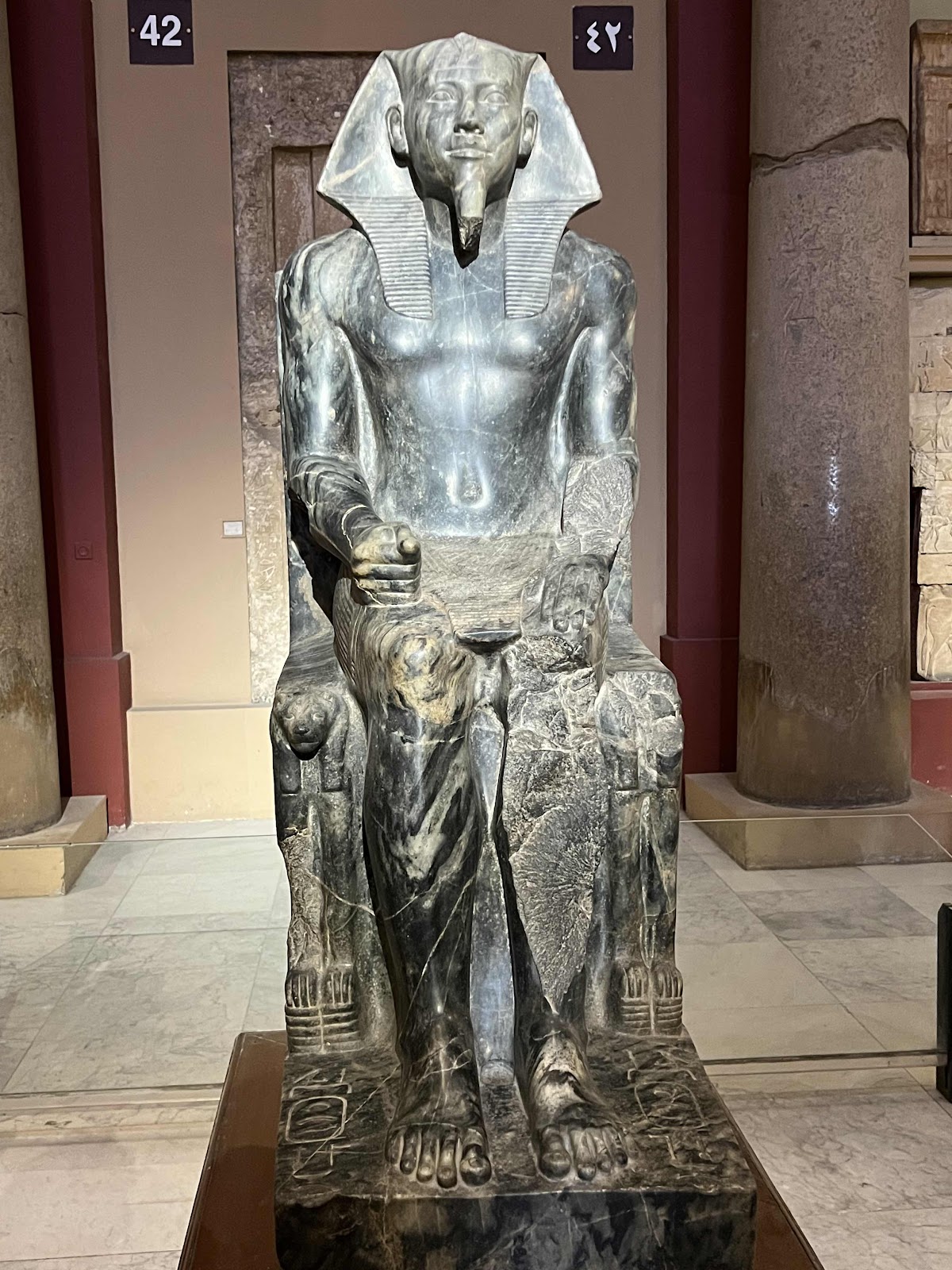
The hieroglyphics in the pyramids and on the tombs would show the name of the king or pharaoh in a cartouche, an oval that enclosed the symbol for that pharaoh. They also celebrate the life of that person, list the items of his wealth, his wives and children.

Most pharaohs were not as healthy as their statues would imply.  But they were considered gods in human form so the idea of them was carved showing strength and power.

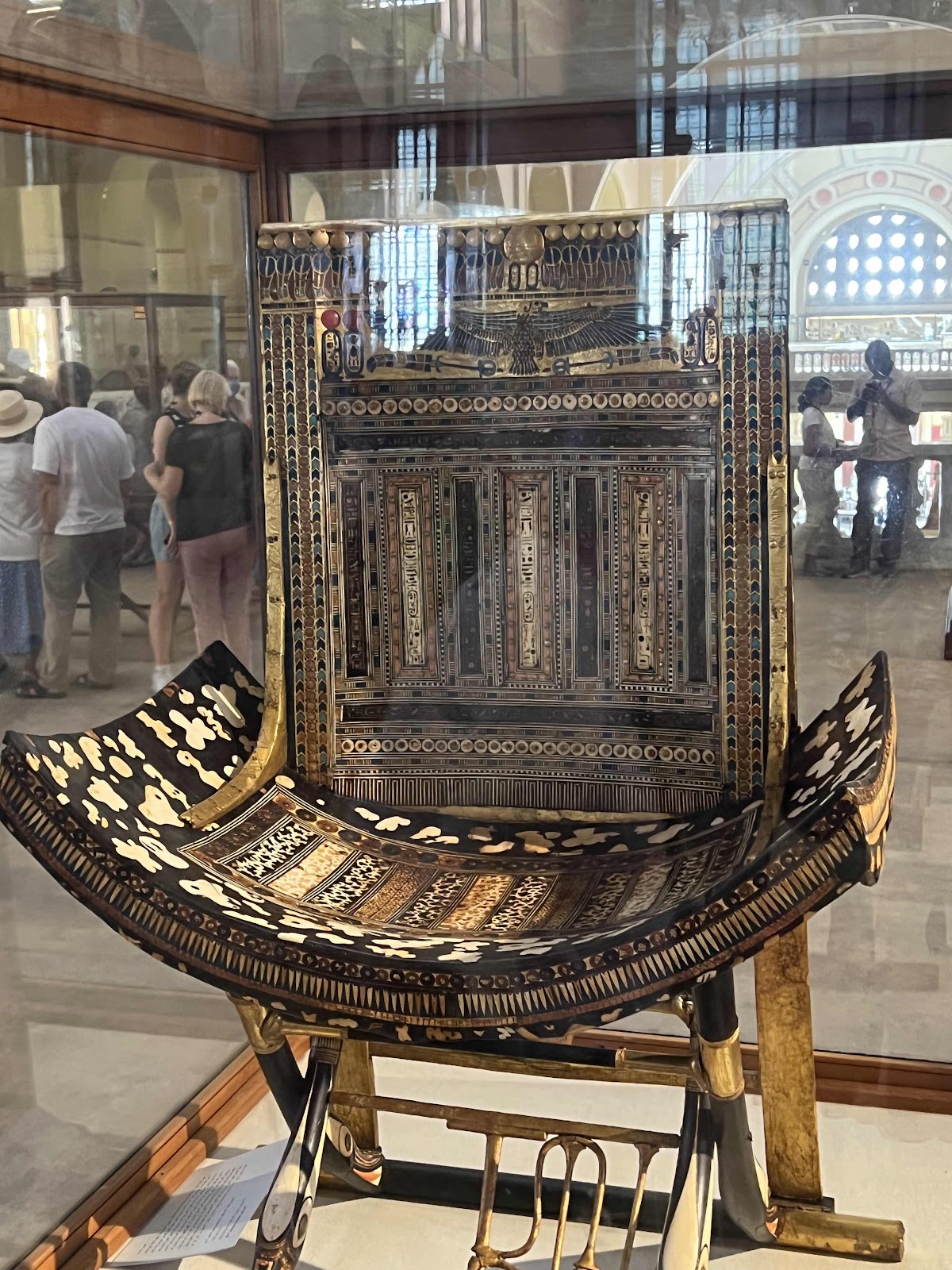
We viewed one room that held King Tut’s jewels that were buried with him. Along with the various thrones he used as a child.  


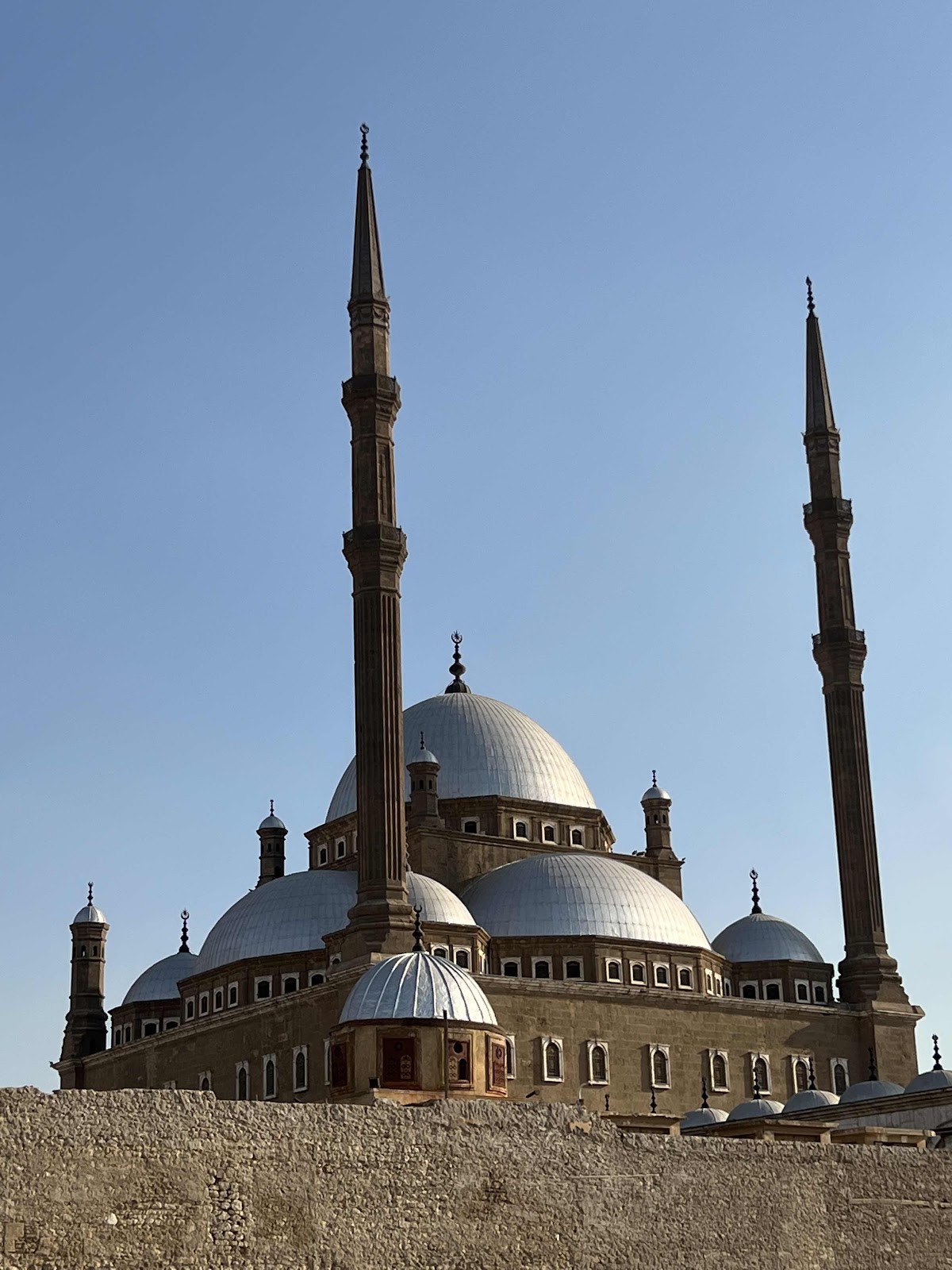
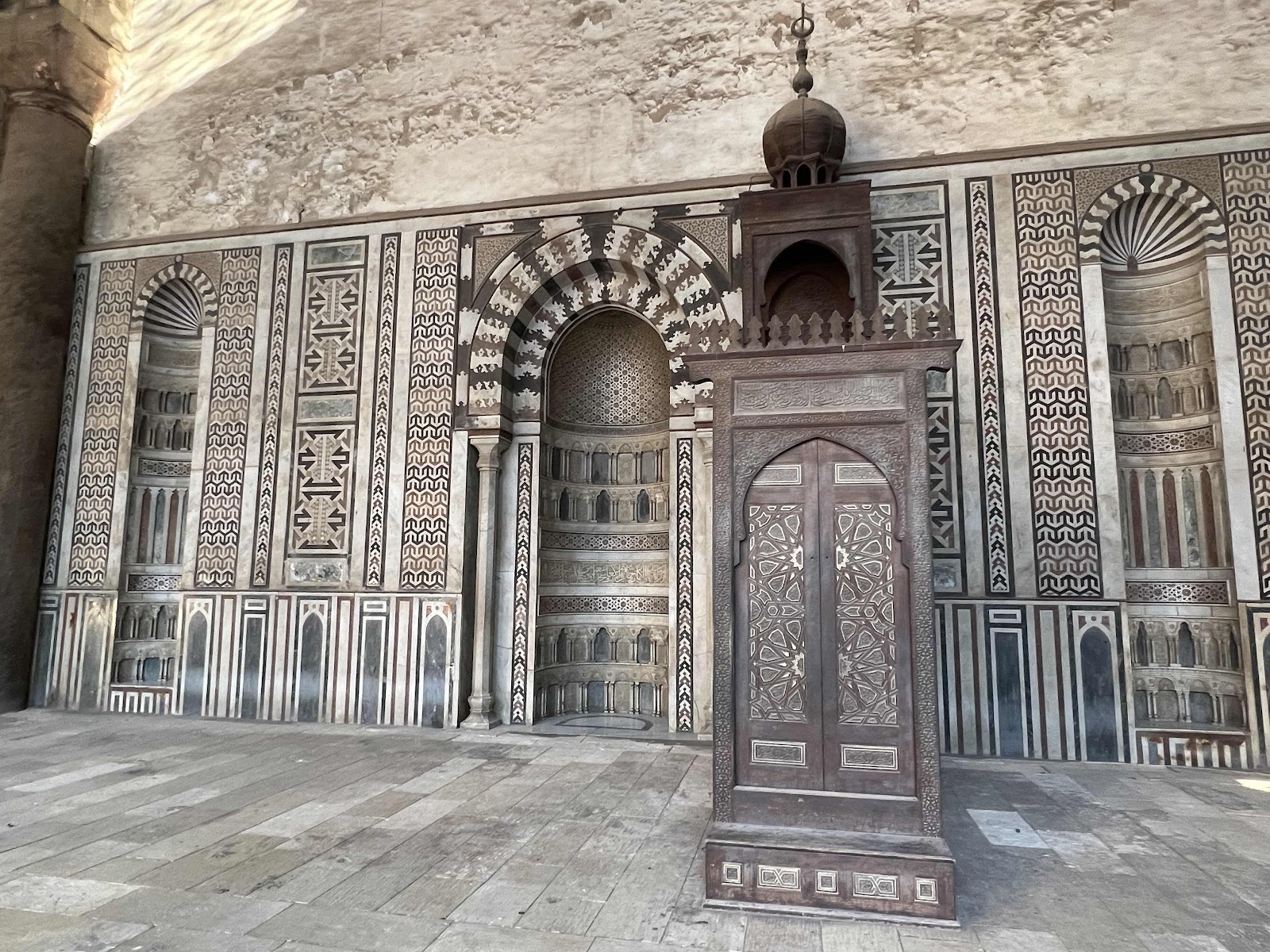
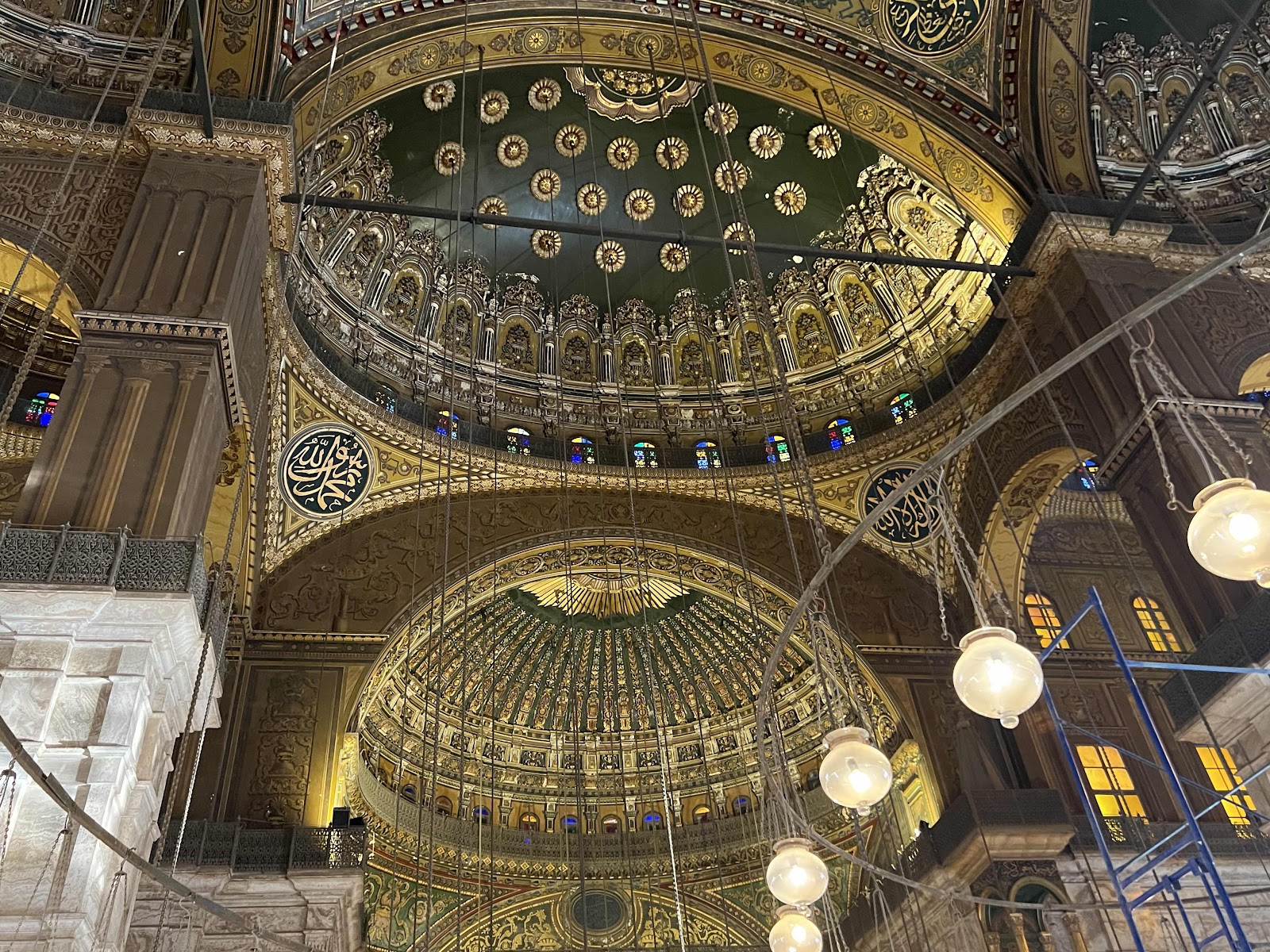
After a huge lunch we visited Islamic Cairo by touring two large and beautiful mosques.  The Mohamed Ali Mosque and the Green Mosque are located inside the Salah Al Din aka Saladin Citadel built by the Mamalukes, and used by the Ottomans and Turks.  The Citadel has 31 towers and encompasses a residential area as well as housing the military.  


The Green Mosque is called that because of the green dome. It was built in 1335 AD with columns, pillars and arches recycled from other Roman and Greek buildings.


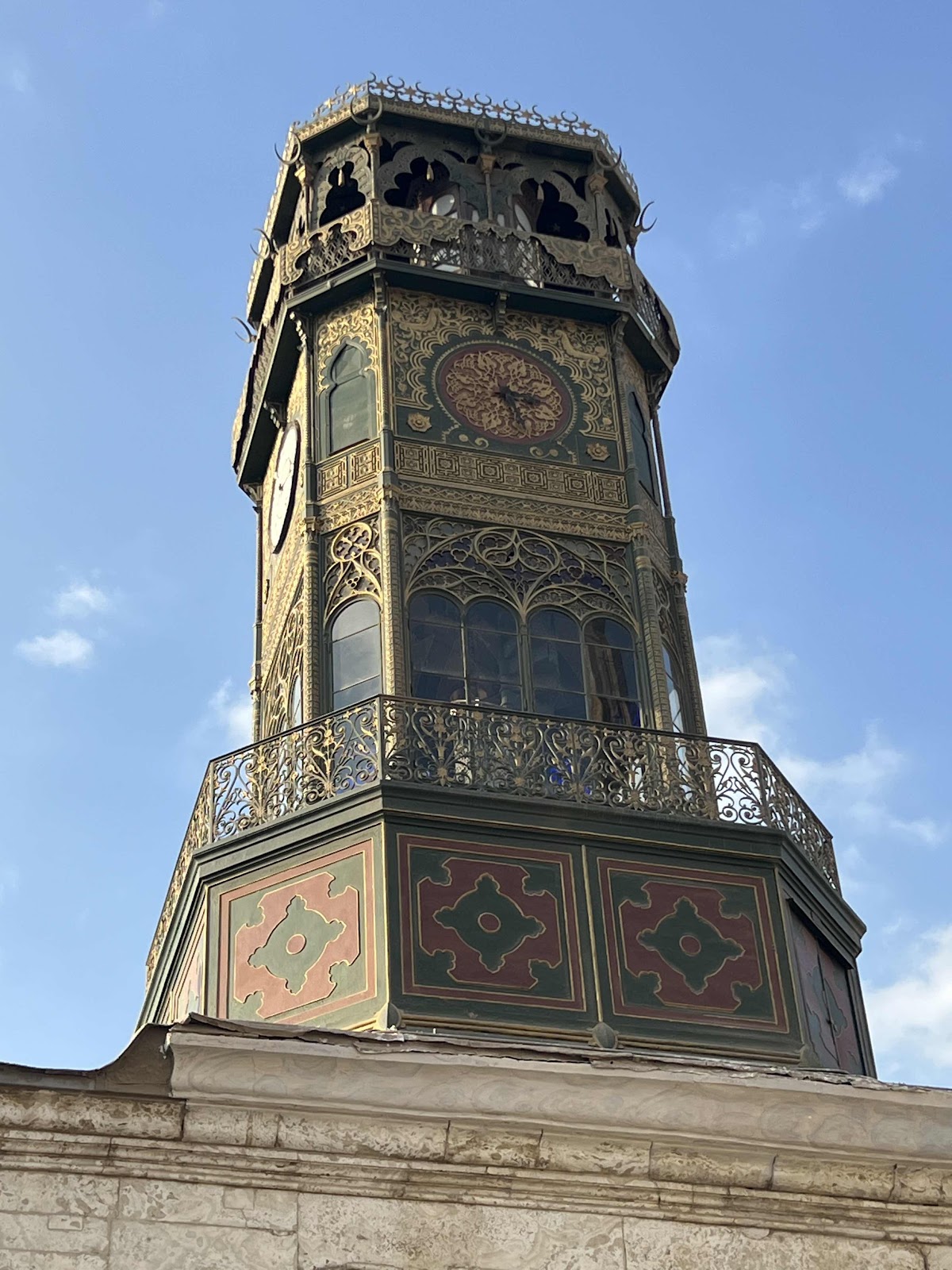
The Mohamed Ali Mosque has a clock tower given to them by the French, brass windows, alabaster and marble floors, and decorations.  It’s architecture is similar to the Blue Mosque in Istanbul.

Wednesday, November 3, 2021

Modern Alexandria

Wednesday November  3 — We spent the night in Ancient Alexandria so today we see the more modern part of the city but first a little more history with a visit to the National Museum of Alexandria.  The Greek and Roman museum has been under instruction past 10 years so in the meantime the relics for that museum are on display in this restored house. A stela or granite slab filled with hieroglyphics, depicts a special occasion for that person, in this case it says that 10% of all the goods coming into to the port will be given to the goddess.  We saw Roman and Greek relics that were recovered from the bay, an Egyptian mummy was embalmed in 600 BC,  and they have a bust of Serapis the God of Alexandria.


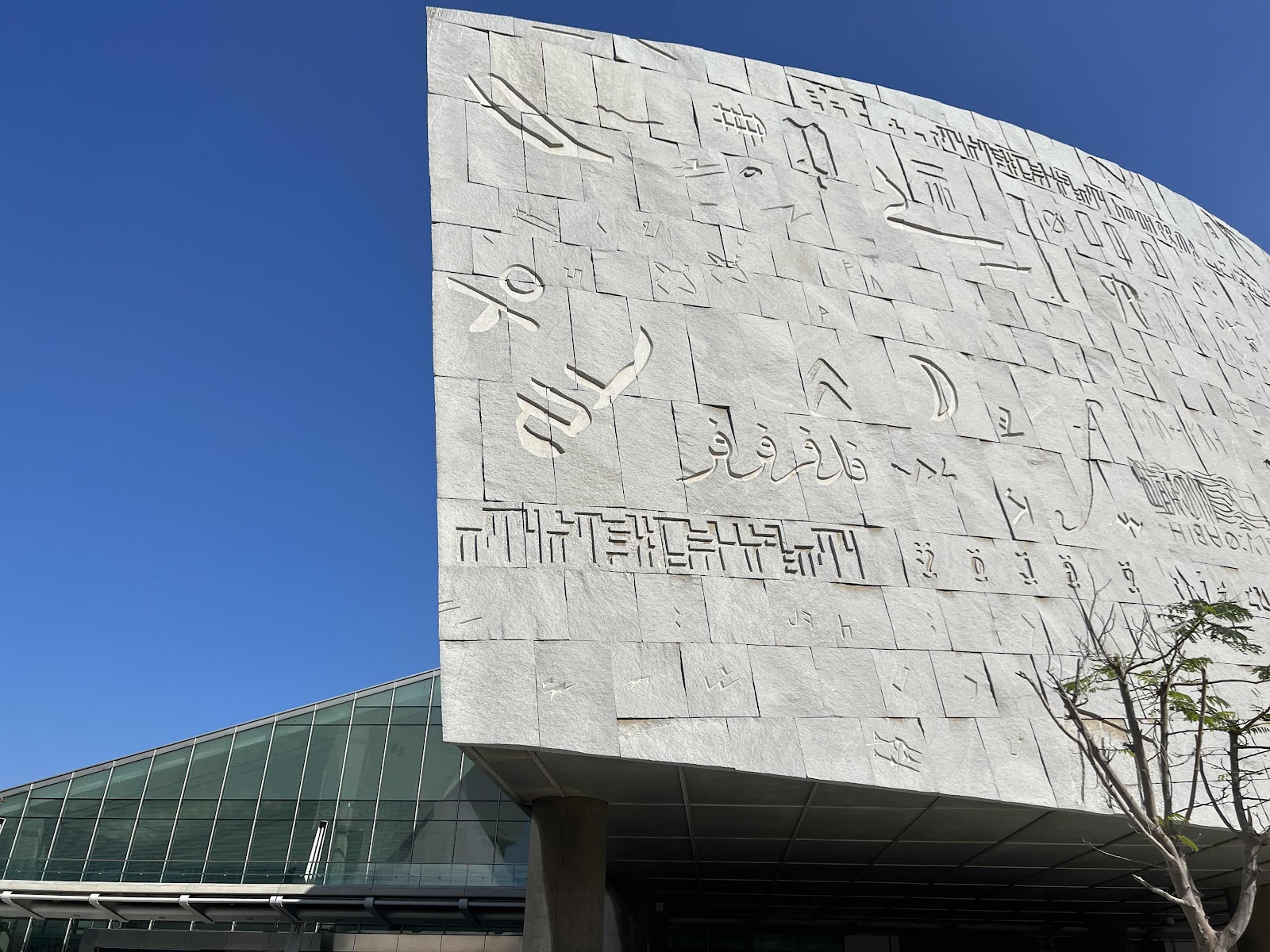
From the ancient to the modern, the National Library of Alexandria is built to represent the Sun rising in the east, while the planetarium is the moon in the west.  The exterior wall is covered with the alphabet and symbols of over 140 languages from around the world.  This library is considered the 2nd largest after The Library of Congress in the US.  The interior has 9 floors filled with books and research stations  with 3 more floors for conference rooms and study area in one of the largest open area plans seen in a building of this size.  The University of Alexandria students use the library extensively.  


Tuesday, November 2, 2021

Ancient Alexandria

Tuesday November  2 — Following a 3 hour drive from Cairo our first stop in Alexandria is at the Pompey’s Pillar.  This pillar sits on the site of a temple of Old Alexandria.  Alexander the Great invaded Egypt in 331 BC putting an end to the rule of Pharaohs. The Greeks, under Ptolemy I  built the city of Alexandria and the temple where the pillar is located. The Romans,  led by Pompey, invaded in 284 AD.  When Pompey died they buried his head in the temple and erected the Pillar over it as a peace offering to the city..  This temple also housed an underground library for religious documents and there was an underground sanctuary.


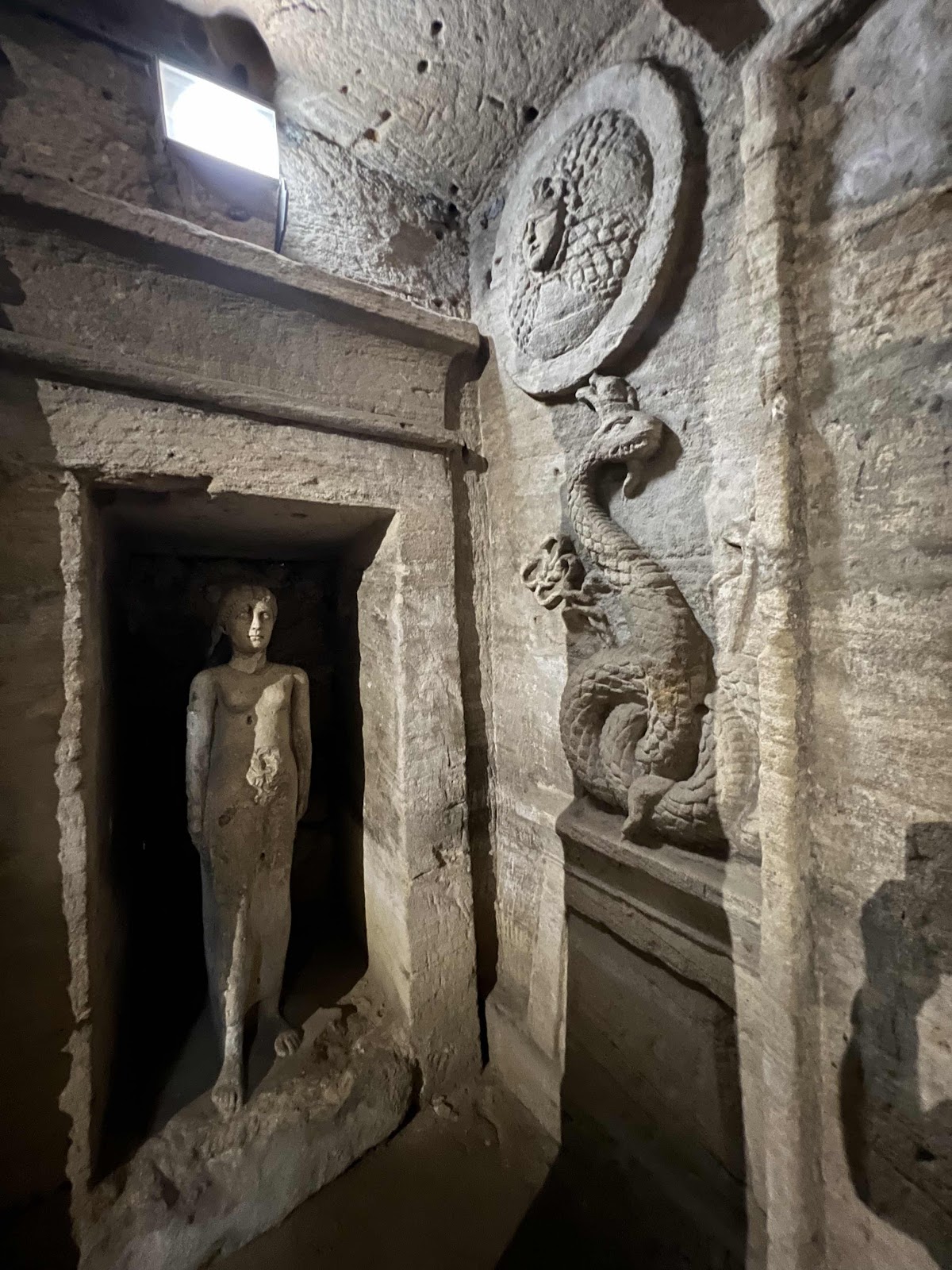
In 1901 a  farmer’s mule fell down a hole which led to the discovery of the Catacombs of Alexandria also called Kom Al-Shoqafa.  What was found originally was a private burial site for a rich merchant.  But as the city grew, the crypt was expanded.  So far they have discovered over 300 tombs but no bodies.  During the crusades in 1300’s the Christians cleared out the catacomb and burned all the bodies. The paintings and inscriptions show how Greek, Roman and Egyptian cultures were merging together. In one picture in the crypt you can see Roman pillars, Greek head of Medusa, Phoenician snake, and the Egyptian inubis and falcon.


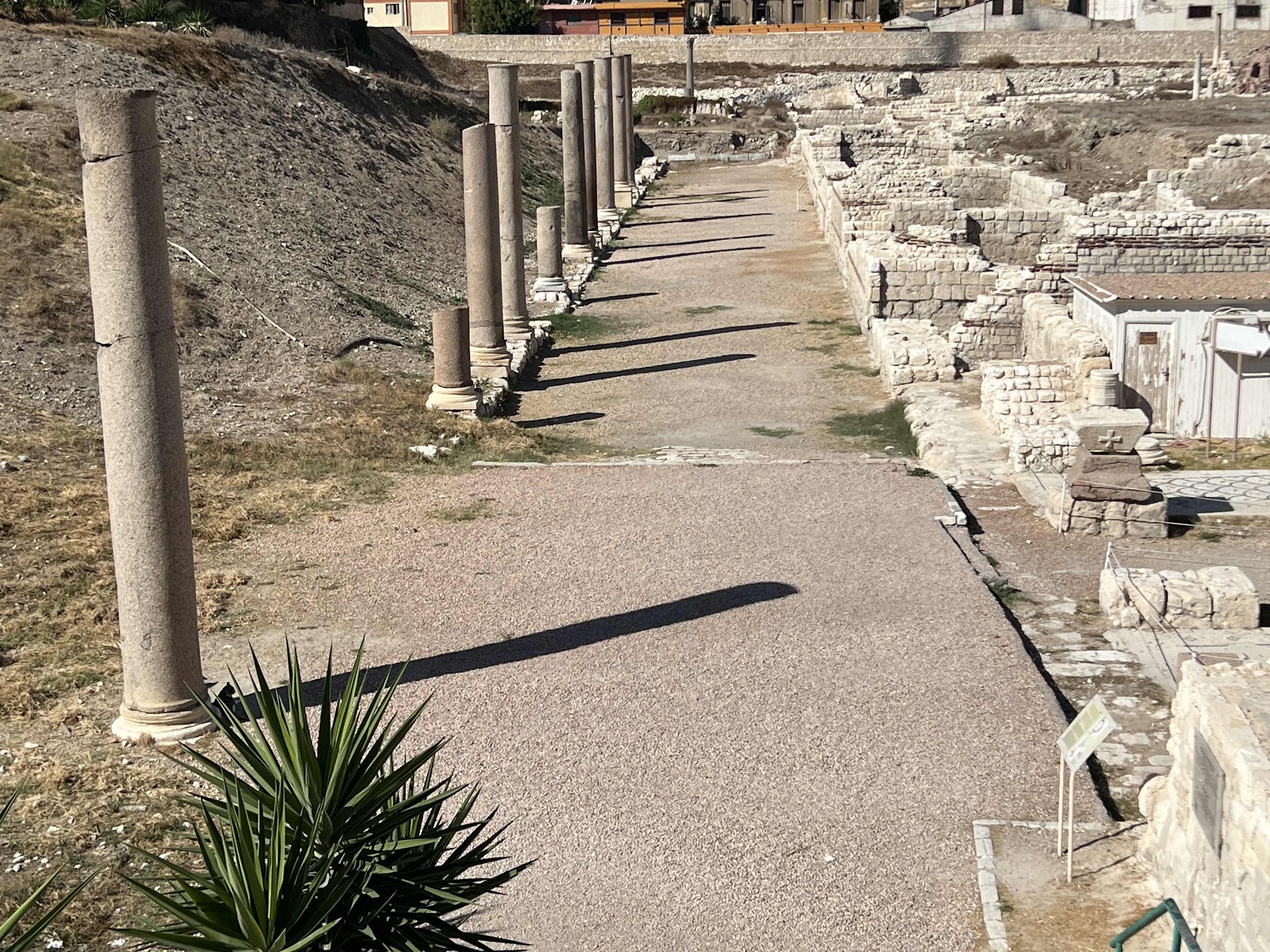
Another accidental discovery is a Roman amphitheater that was uncovered when digging a foundation for a new building.  The theater itself was small but they also uncovered class rooms, evidence of a market area and a boulevard leading from the Sea to the city.


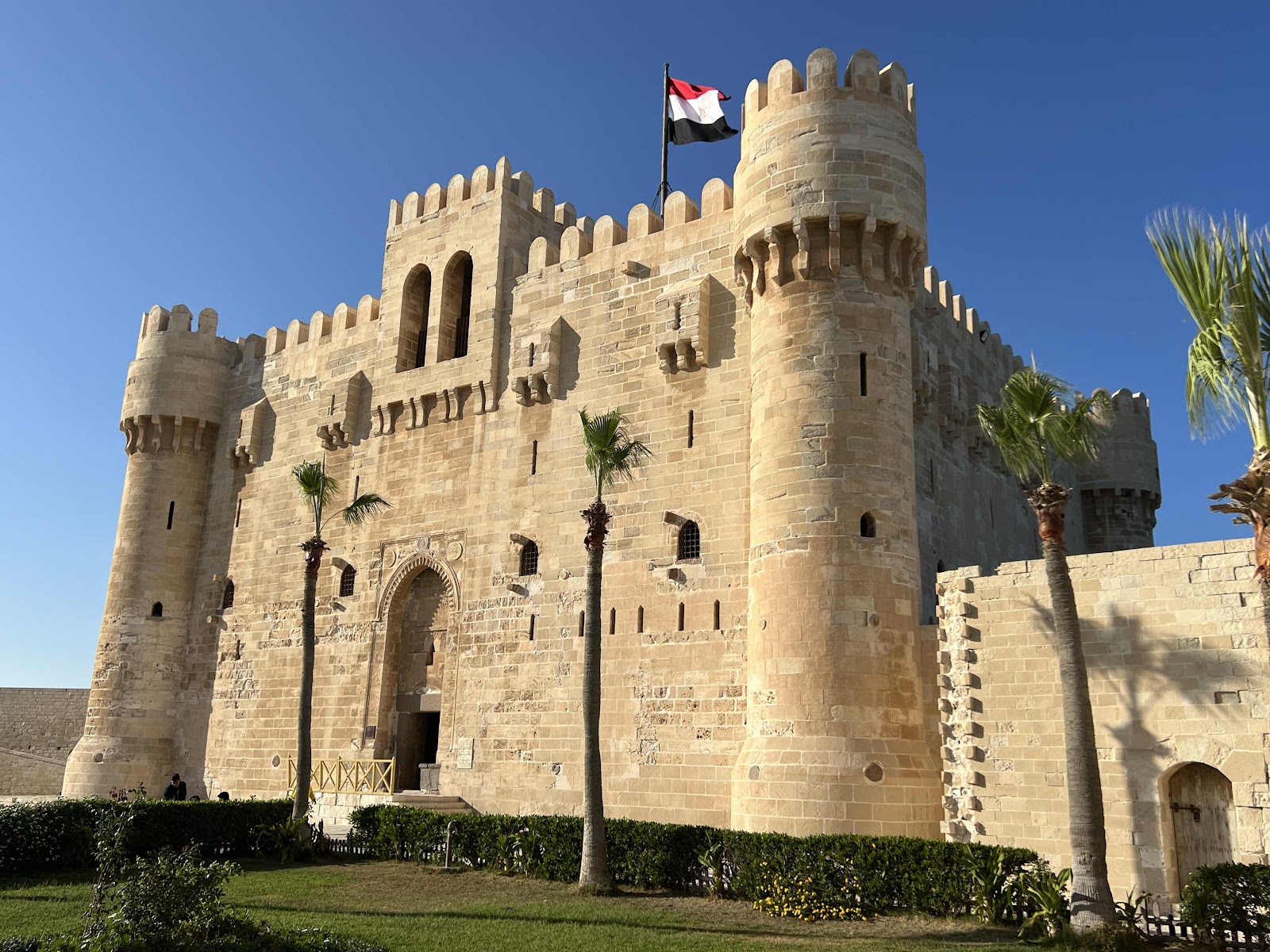
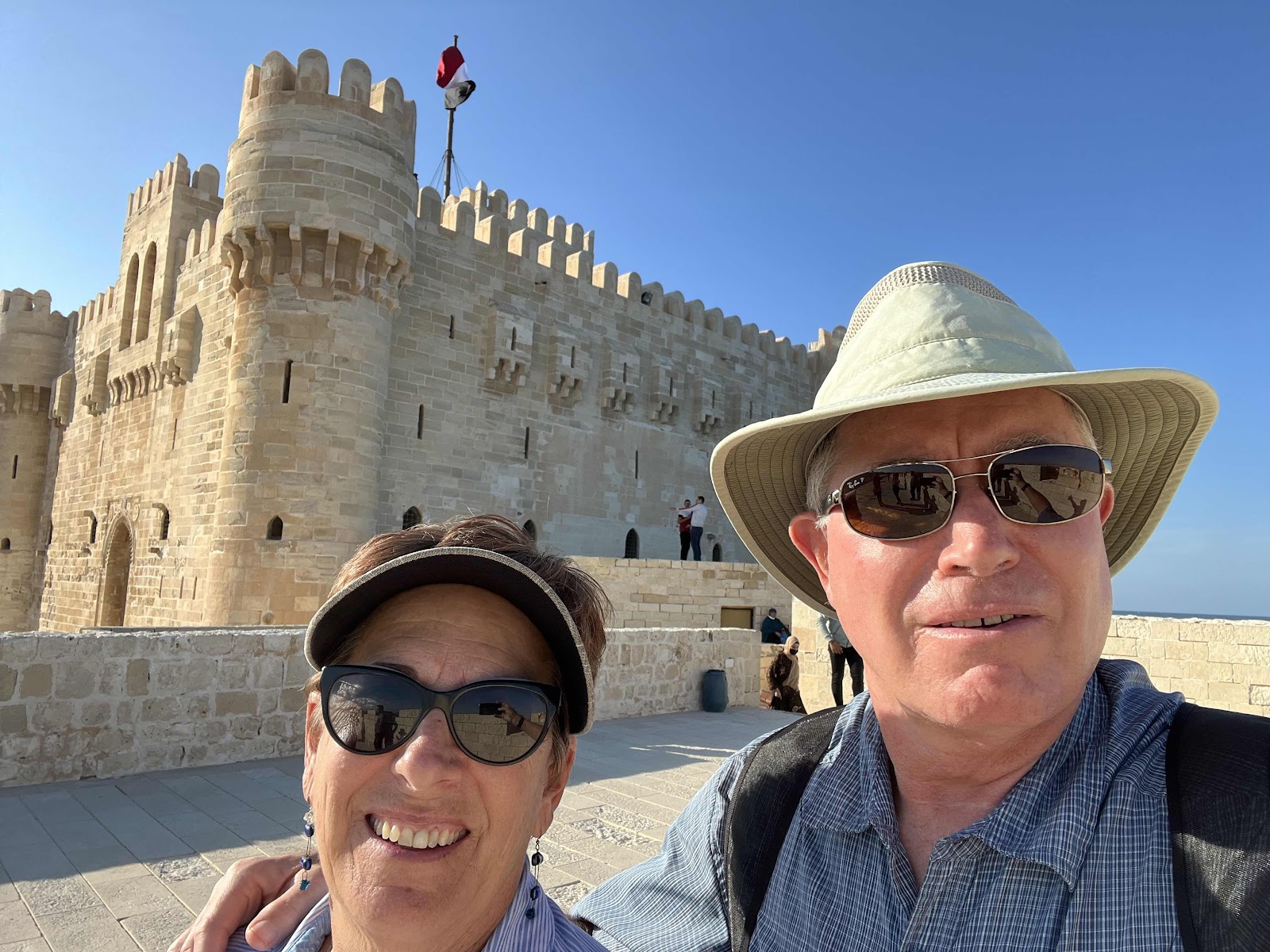
The fort, Qaitbay Citadel is built on the cite  of the Lighthouse of Alexandria, which was destroyed by the earthquake of 1392.  The fort does include stone from the lighthouse in its foundations. Not only did the fort house thousands of soldiers it had its own mosque, and holds two cisterns for fresh water.


When our trip leader, Ahmed, learned we had missed a planned food tour, he decided to take us on his own food tour and a walk around the shopping district.  We had tamerine,  juice aperitif, beef and chicken shawarma (an Egyptian burrito), and a dessert that I can’t spell but was made with lots of honey!!  


Monday, November 1, 2021

Coptic Cairo

Monday Nov. 1 -  Egypt is part of our Christian history.  Shortly after Jesus was born, Joseph and Mary fled to Egypt to escape persecution and they spent 3 years wondering around and along the Nile.  The Cave Church is built over and around a cave where they supposedly stayed in Cairo.  The church was originally built in 400 AD and has been refurbished many times, sometimes re-using pillars from Roman monuments.


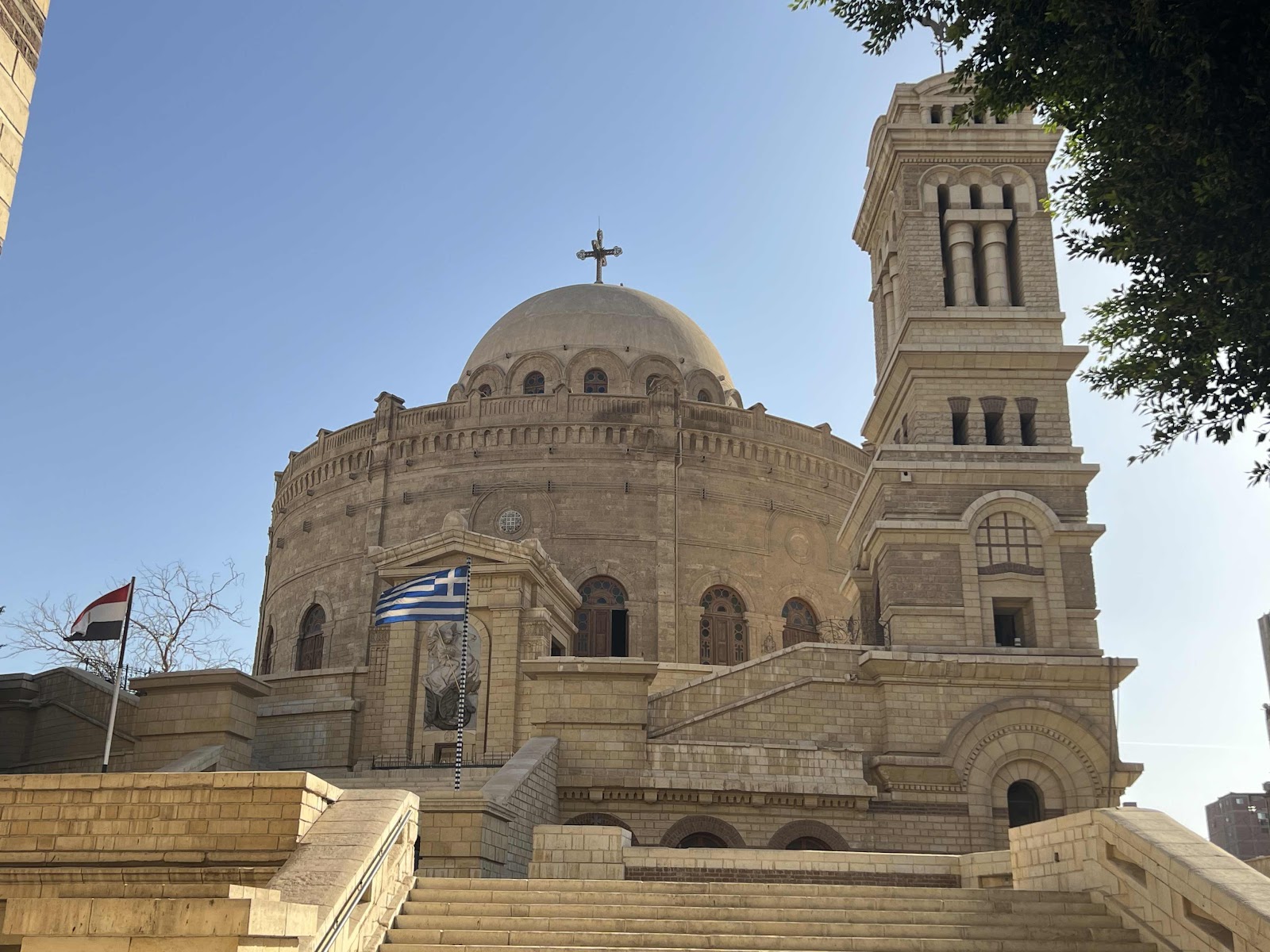
Next door is the Greek Orthodox Saint George Church.  It is not Coptic, but very Egyptian none the less.  It is famous for it bell tower and monastery.  Along with the Hanging Church, it was built over a Roman fort and garrison called Babylon which housed over 10,000 soldiers. The one of the two towers that protected the fort is still visible, the other is covered by the Greek church.


The Hanging Church is literally built over a part of the fort.  They layered wood beams over the walls and built the church on top. It’s a Coptic church with some catholic design.

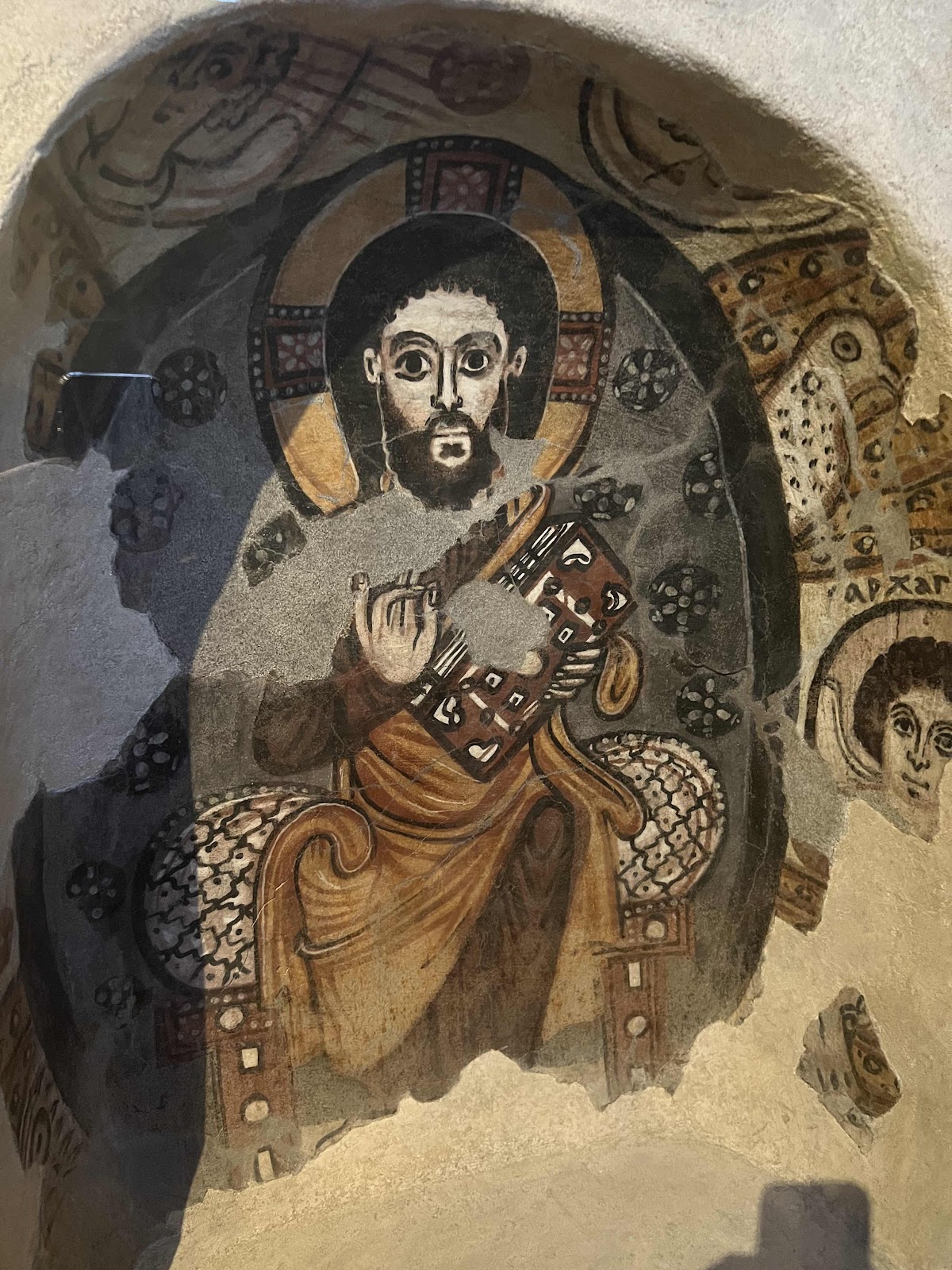
Our last stop was the smallest, but oldest museum in Coptic Cairo area and that is the Coptic Museum located in what was once a private home.


Now for a bit of history.  Coptic describes Egyptian Christians.  Between 600 and 900 AD when the Arabs invaded Egypt, the Christian community was divided between two factions.  The Alexandrian believed that Mary was the mother of the Lord Jesus and was fully Devine while the followers of Friar Nestor believed that Mary was the mother of Jesus and therefore human.  The Coptics of Alexandria stayed neutral during the invasion, and since they were the larger faction, they did nothing to prevent the followers of Nestor from fighting the Arabs which allowed the Arabs to over run the country.  That’s a very short history lesson!

Sunday, October 31, 2021

We are in Cairo!

Sunday, Oct. 31 — We landed in Amman Jordan on Sunday around 12:30 pm local time (it was a 11 1/2 hour flight over 7 time zones.). We bid Dave and Mickey farewell and then tried to get an earlier flight into Cairo. No luck.  But the Royal Jordanian Airline gave us a complementary room and dinner at the airport hotel and picked us up around 9PM for our flight to Cairo. 

We landed shortly after midnight, showed our passports and Covid test about 4 times before exiting the airport.  The Wilderness Travel guide was there to greet us and got us to Mena House Hotel around 2AM and it took us a bit to get to bed by 3AM Monday morning.


Saturday, October 30, 2021

Let’s Try This Again

Sat. Oct 30 — Saturday morning, bright and early, we all walked over to the airport and got a PCR Covid test at a cost of $225 each..  The results were back in an hour and they printed out and stamped the results so we feel we are ready to go to Egypt and Jordan.  We even scoped out the route to the International Termainal so we know how long it takes to get there.

Four hours before our flight is to leave at 8:20 pm we are in line to get our new tickets.  Dave and Mickey are flying to Jordan for their pre-trip tour while we will be connecting on to Egypt for our pre-trip tour of Alexandria.  Dave and Mickey breeze through and get their tickets, John and I, on the other hand, cannot get on our plane because Egypt requires a RT-PCR test and nothing else will work!  I’m crying, John is frustrated and the gate agent just keeps repeating that we have to have the RT-PCR.  Finally, she points us to a private lab that can do the test quickly.  When John calls them they tell us they can send a car to pick us up, get the test and return us to the airport all in time for us to catch our flight. All for $160 each plus a $50 car ride.  

We much relief and 40 minutes to spare we are finally ready to fly to Egypt.  Our next hurdle is on Sunday.

Friday, October 29, 2021

Off to See My “Mummy”

Friday Oct. 29 — Not a good start to this trip. We were supposed to catch a United flight out of Columbia to Chicago, then Chicago to Amman Jordan with a connection to Cairo Egypt.

We arrived at the Columbia airport 1 1/2 hours early only to learn that our flight had been canceled due to mechanical problems.  Mickey and David, who we will be traveling with this trip, had already started trying to get a seat on an American flight that would leave at 5:30. Unfortunately that flight would not get to Chicago in time to catch our flight to Amman.  But we booked it anyway and then worked to get another flight on Saturday to Amman.  That messed with our connection to Cairo.

John was able to get us a room at the Hilton across from the airport terminal at O’Hara, so we are spending the night in Chicago.  That also means our Covid PCR test that is good for 72 hours will not work now so we will have to get another test.

Monday, September 6, 2021

Willard Munger State Trail

Monday September 6

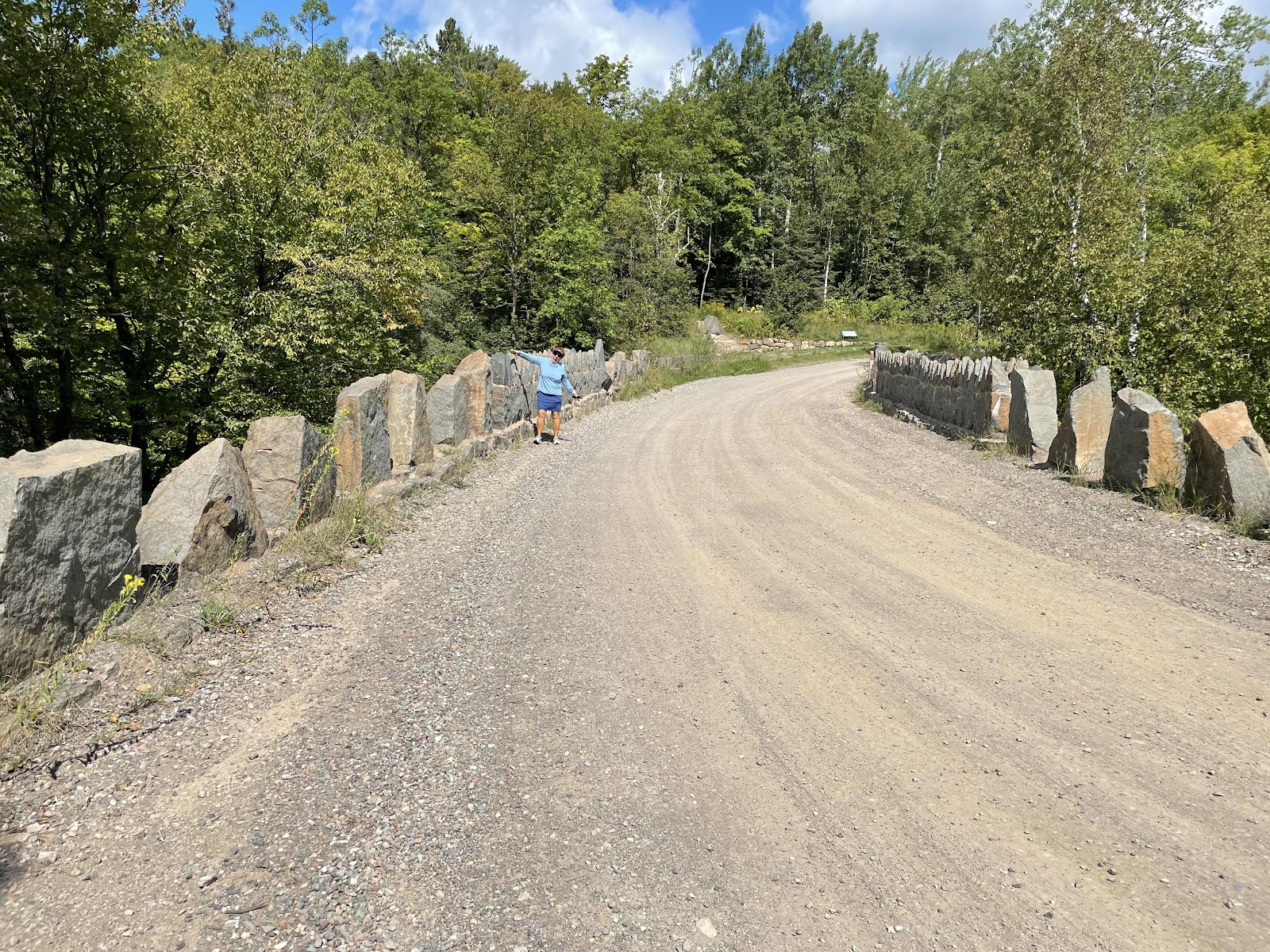
Today was a biking day.  We drove up to near Carlton and rode 25 miles, sometimes along the railroad, sometimes along the St. Louis River and through lots of quiet forest .  We were on a popular part of the trail so we met lots of different families and individuals biking and walking.

Beautiful day!

Tomorrow (the day after Labor Day) we’ll head back to MO.  It’s been an interesting and pleasant short get away.

Sunday, September 5, 2021

Skyline Parkway

Sunday September 5

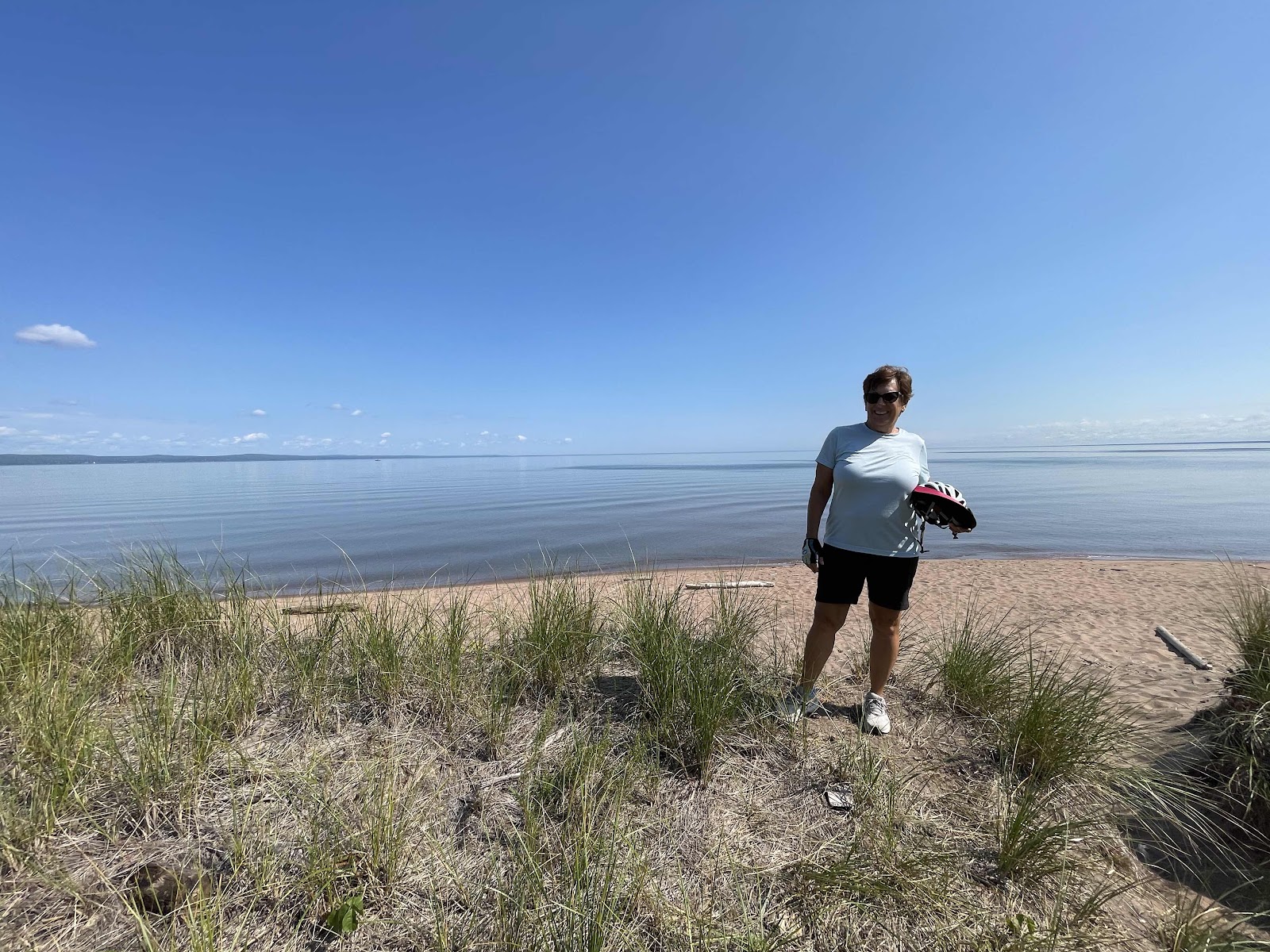
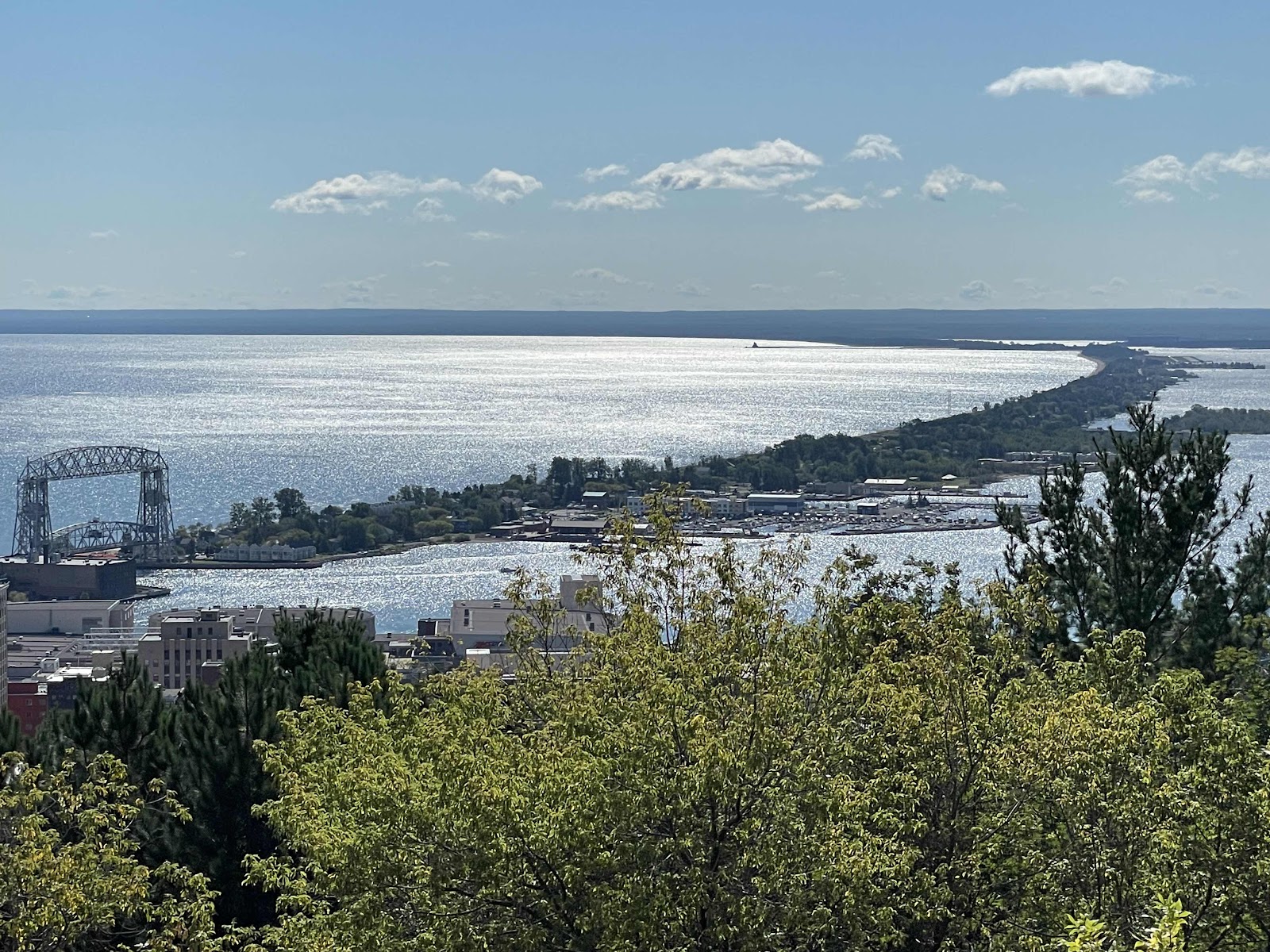
Yesterday we loaded the bikes onto the car and drove into Duluth to ark. We then biked over the Aerial Lift Bridge and out to the end of Minnesota Point, the narrow, almost island that protects the Superior Bay.  It was a nice ride. We lunched at the park after riding thru part of the old growth pine forest at the end of the road.

Today we drove north up the North Shore Dr. then jogged over on the Seven Bridges Road to the Skyline Parkway and headed back south. The 25 mile parkway rises 700 feet above the city and offers spectacular views of Duluth, Lake Superior and the St. Louis River.

Once we got to the top of the ridge we drove thru Hawks Ridge Nature Reserve where we ran into a group of people counting migratory birds, specifically raptors.  They had seen several varieties of hawks and about a dozen eagles which the lady said were headed to Missouri!  It was fun visiting with several of the people there.


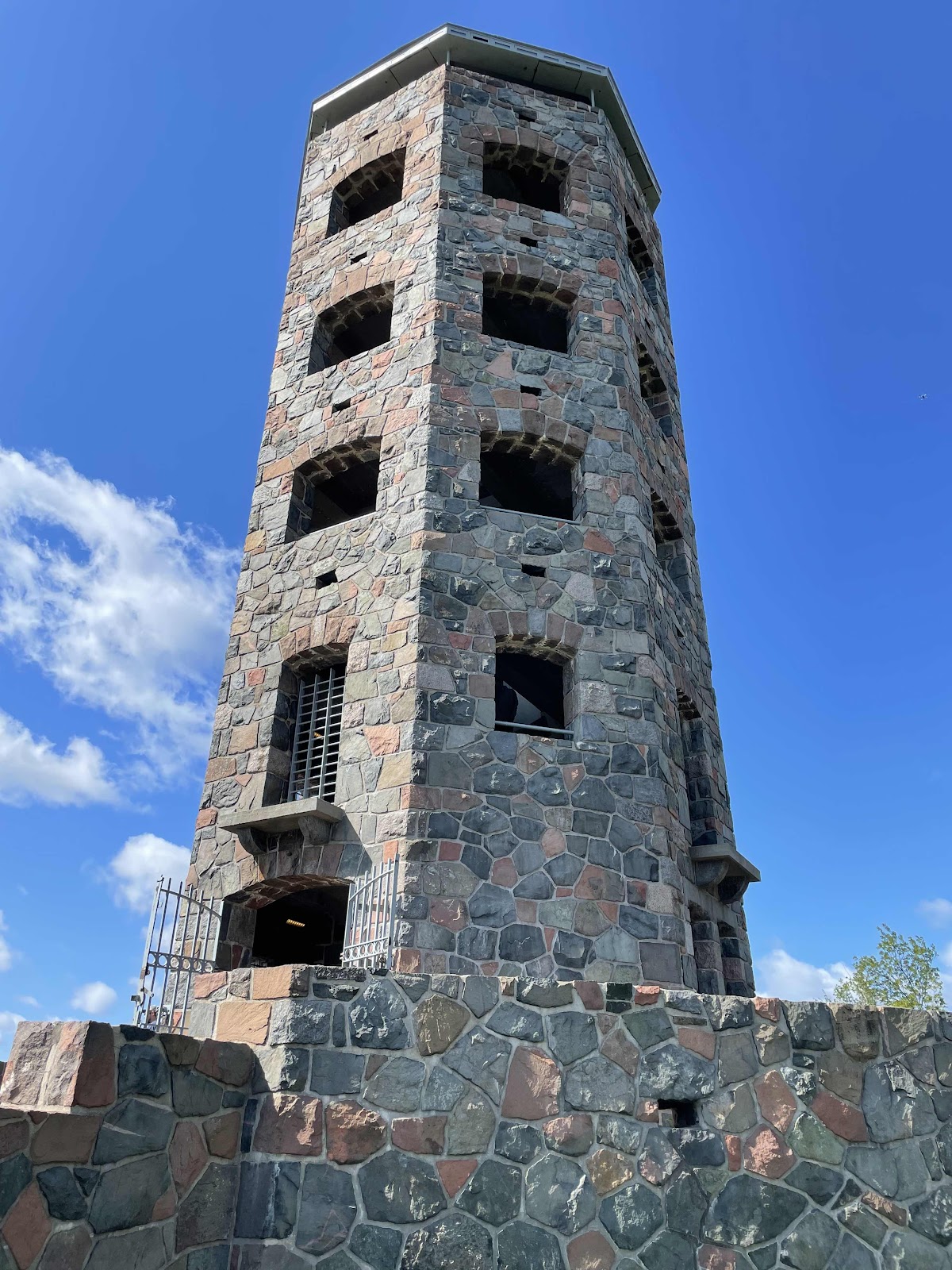
On down the parkway we came to Enger Tower. This 80 foot tower was built in 1939 as a tribute to Bert Enger, a Norwegian philanthropist who bequeathed his enormous estate to the city. 


Towards the end of our drive we came to the ski area on Spirit Mountain.  And then back to the RV..

Friday, September 3, 2021

Railroads Haul It All

Friday September  3 

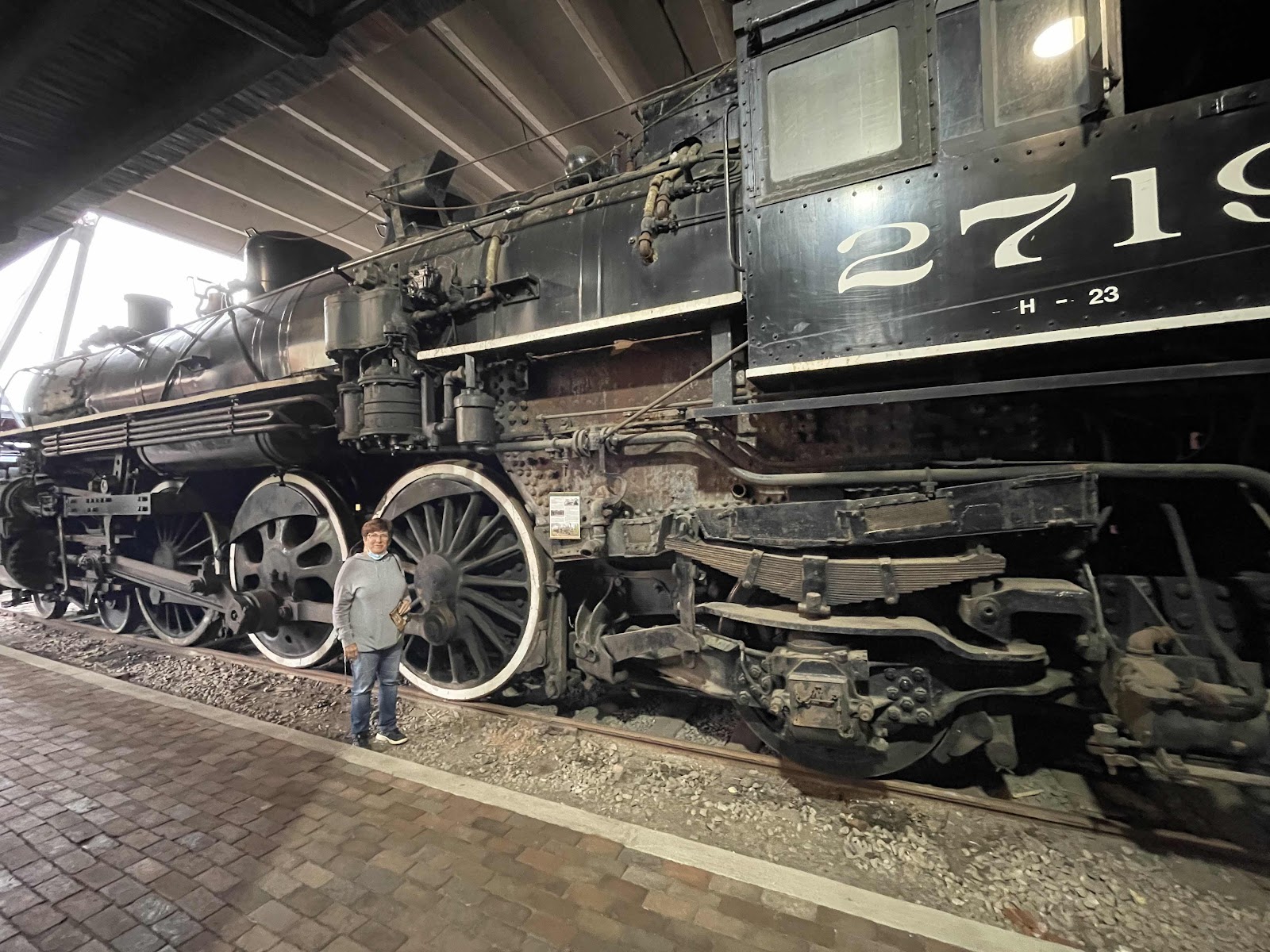
It was a dreary day so we headed indoors to explore the Lake Superior Railroad Museum located in the basement and outdoors of the Duluth Union Depot.  The Depot was built in 1892.  The train shed was built over the original wooden depot and that is where the old engines and cars were located, sitting on some of the old rails.

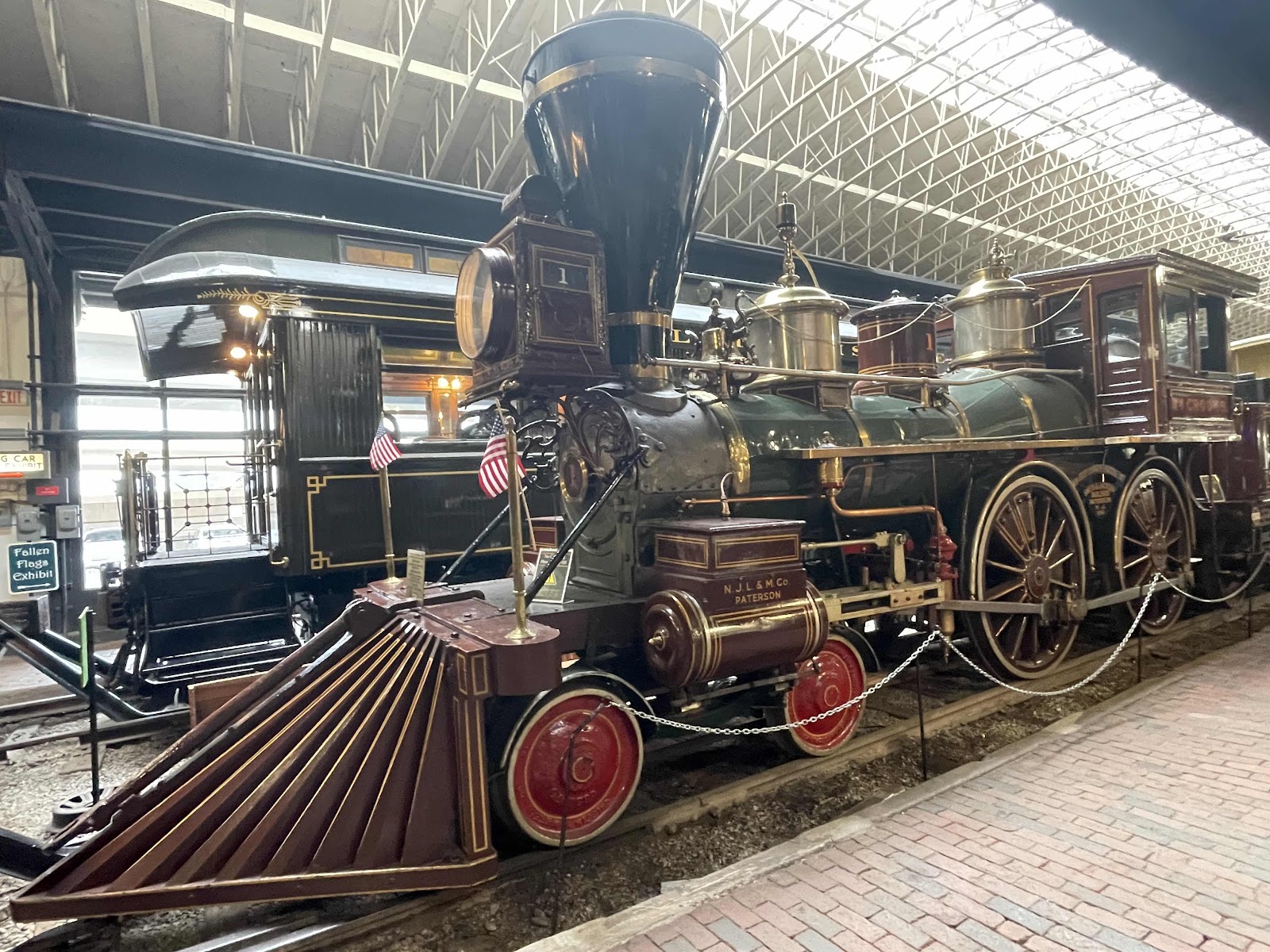
The first locomotive in Minnesota was built in 1861 and ran between St. Paul and Minneapolis and was named William Crooks engine.  The second oldest was built in 1870 and named the Minnetonka and was the first for the Northern Pacific RR.


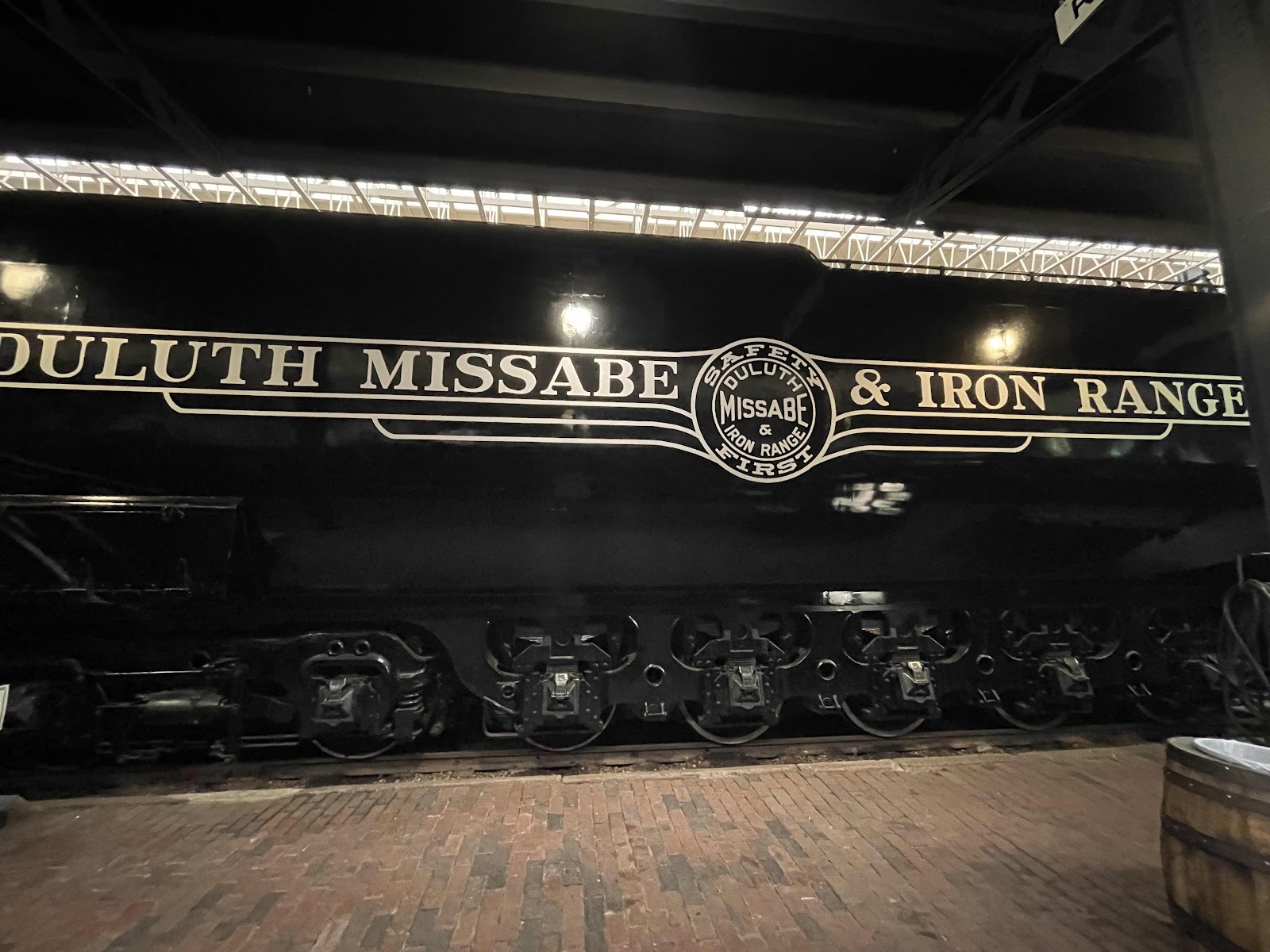
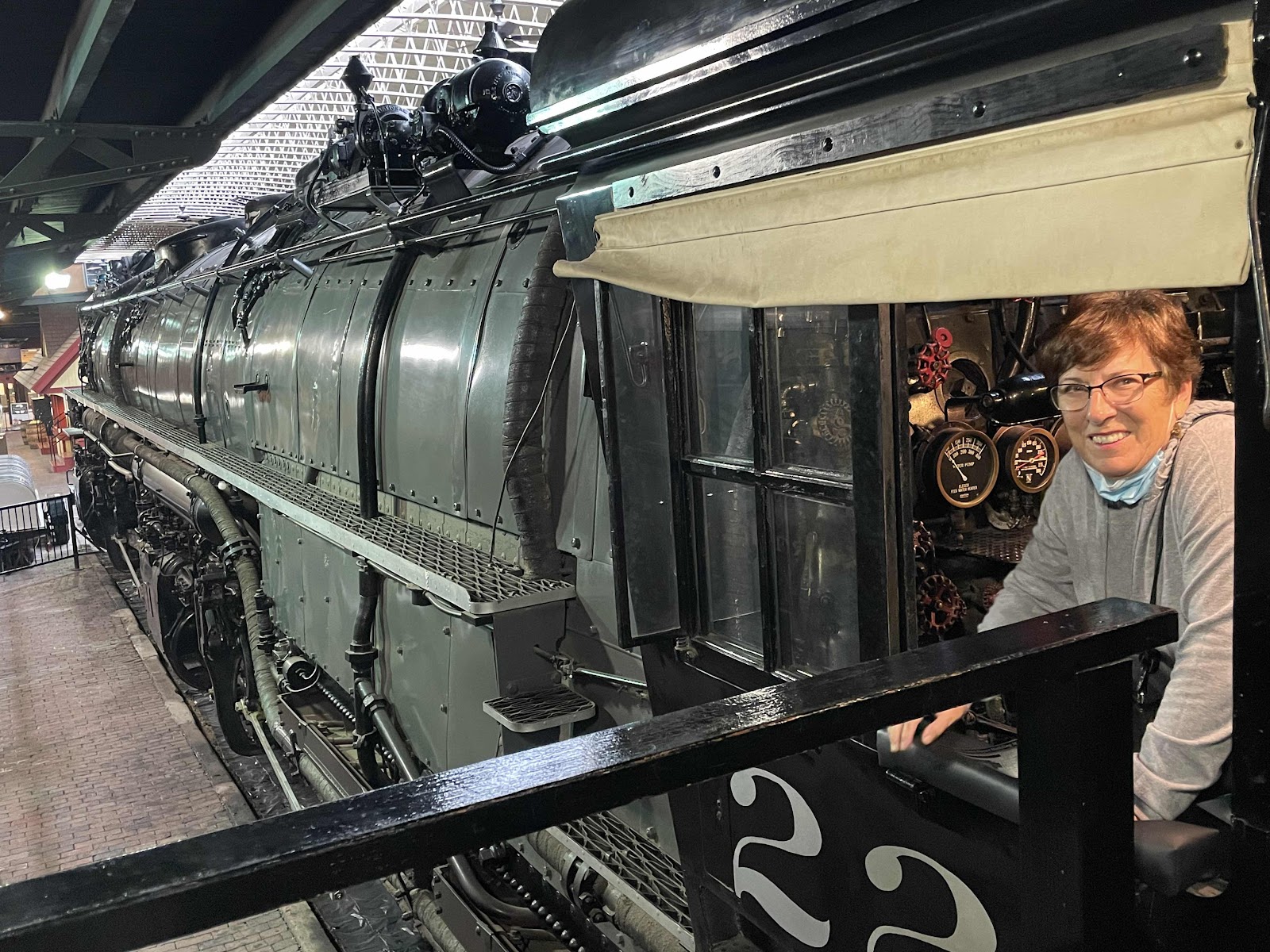
The largest engine, the DM&IR #227 (1941), was the most powerful steam locomotive ever built, weighing over 1 million pounds.  The have installed lights, motion and sound on it so one can get a feel for it’s power.


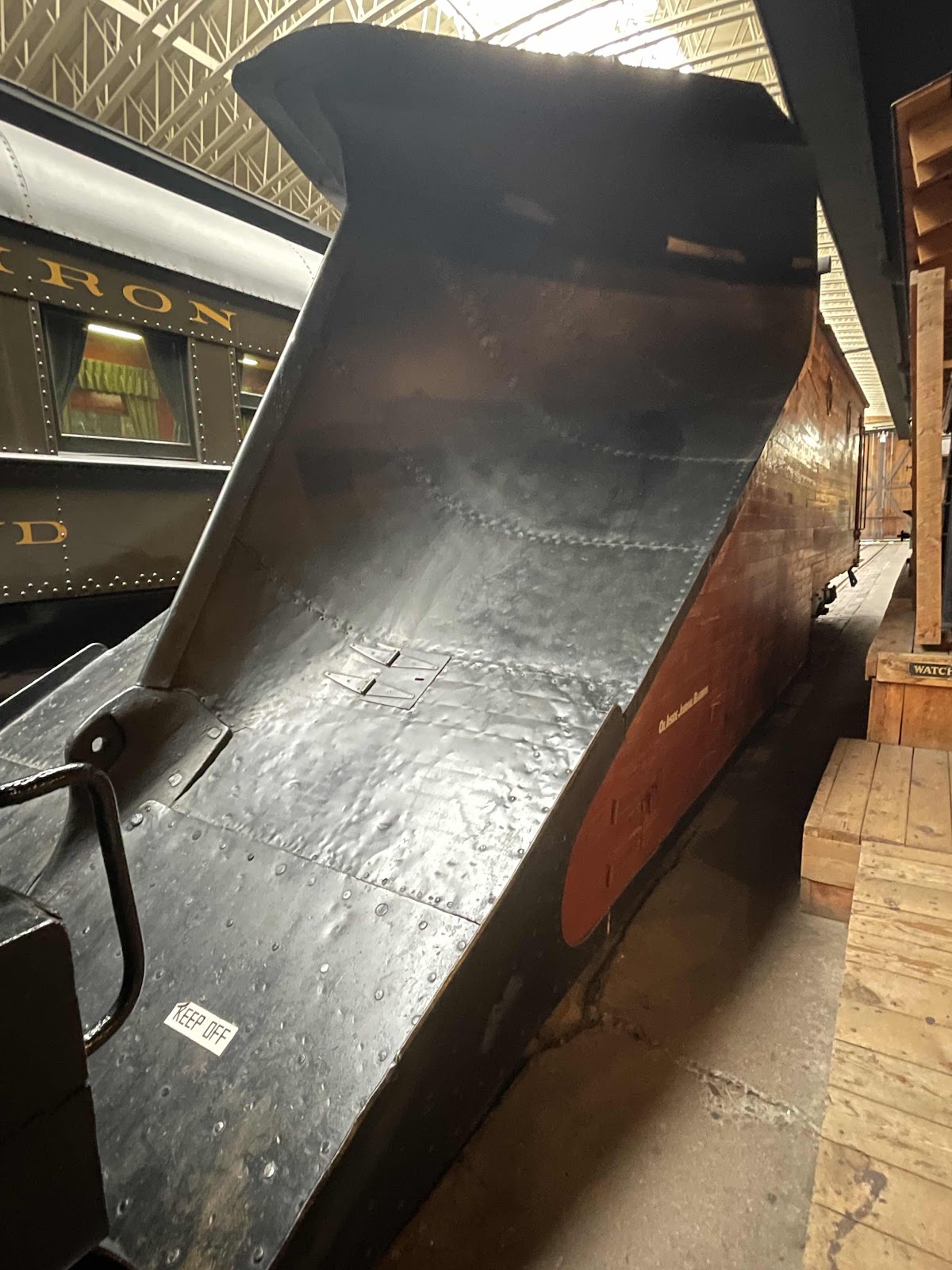
We saw ore cars, refrigerator cars, logging cars, a log loader and a huge snow blower/plow.  Of course they had a caboose and some luxury passenger /business cars.

Around the train display was a miniature Duluth with stores containing antiques of that era that might have been found in those stores.  

The upper levels of the Union Depot housed art galleries and was connected to a Performing Arts wing.

Thursday, September 2, 2021

Willard Munger State Trail.

Thursday September 2

We had to hang around the RV this morning because we had to change sites but once that was done we had lunch, took naps and then got on our bikes.  The Willard Munger State Trail starts right outside of our campground.  It’s a rails to trail route that goes all the way to the Thompson Reservoir.  We only rode for 10 miles out and turned around 4 miles short of Carlton.  At one point we were riding next to a huge long train so John tried pacing it.  It was traveling 20 mph.

I enjoyed the parts of the ride where they had blasted thru black rock which towered over us, almost like a tunnel.