Of course, when you are in a capital you must stop to visit the state capital building. North Dakota joined the Union in 1889. The current building was constructed in 1934 after the original building burned down. Due to financial constraints they opted to build an Art-Deco style skyscraper of 20 stories. We could see this building from almost anywhere in the city!
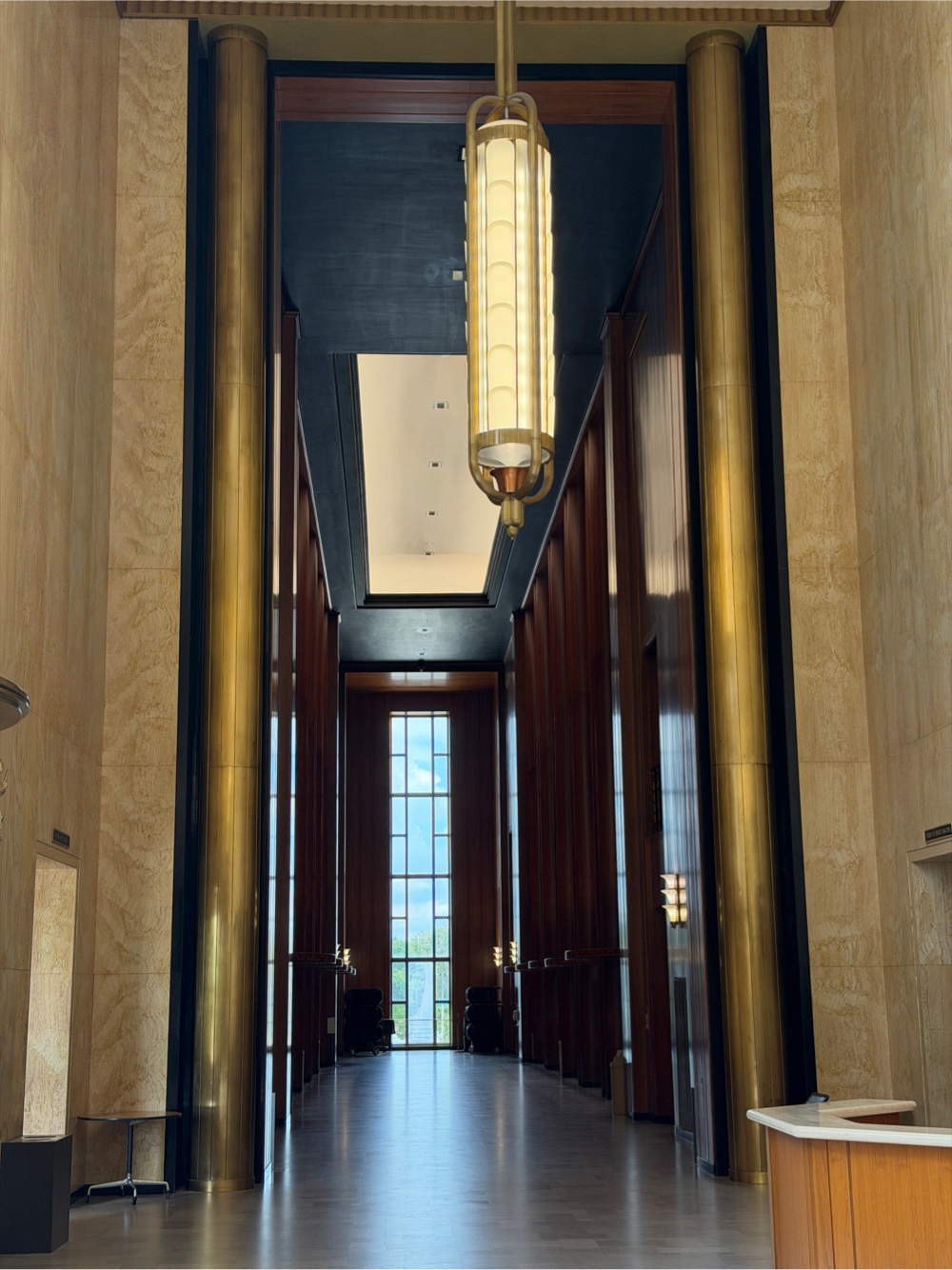
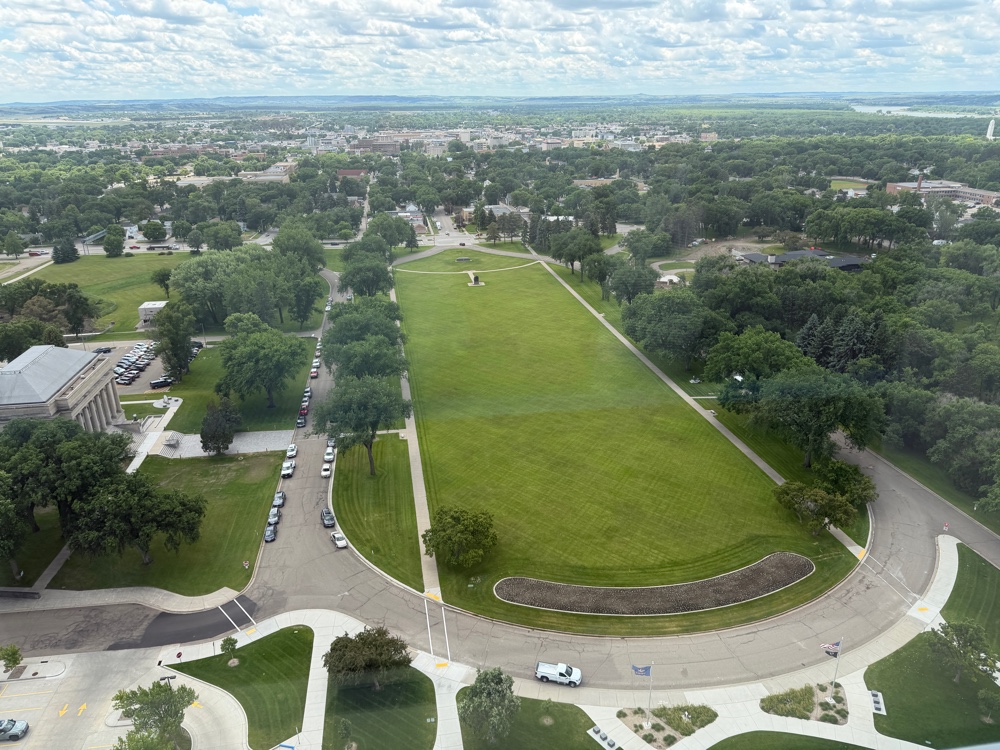
Local and other marble are used in the decor of the main floor and second floor. The Tower elevator doors are decorated with bronze sculptures. The first floor hallway was a tribute to famous North Dakotans and the second flood held the legislative chambers and Supreme Court. From the 18th floor we had a 360* view of the city.
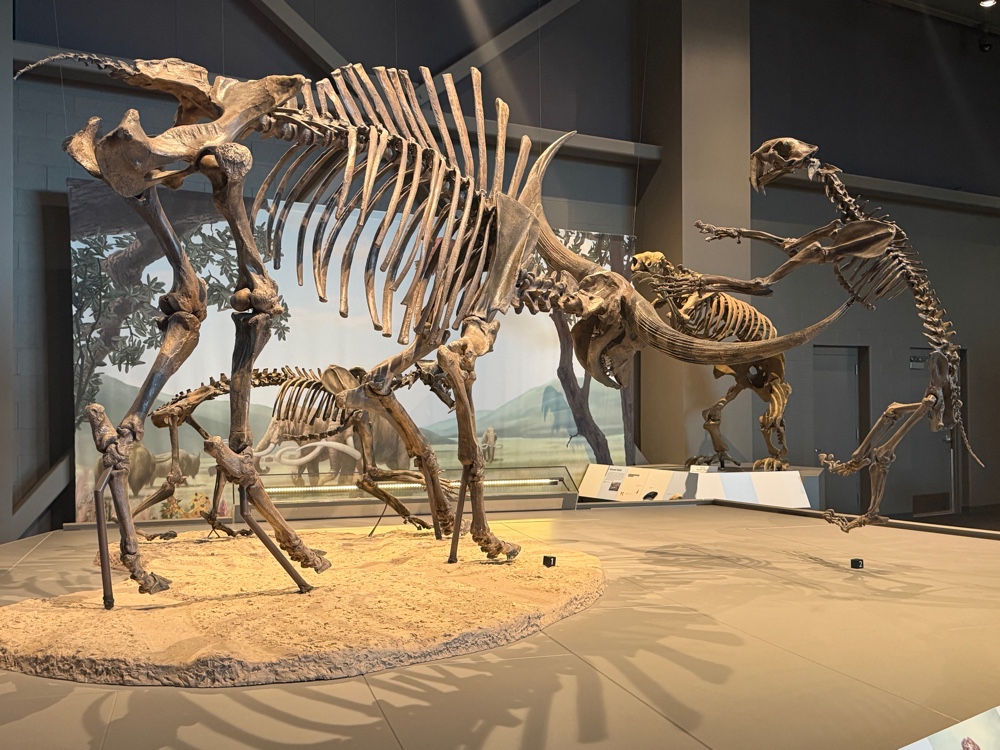
Next door to the capitol building is the ND Heritage Center and State Museum where they have a collection of dinosaur bones, a gallery dedicated to the earliest peoples of ND, some from over 13,000 years ago. Elsewhere in the museum was the more recent history of ND.
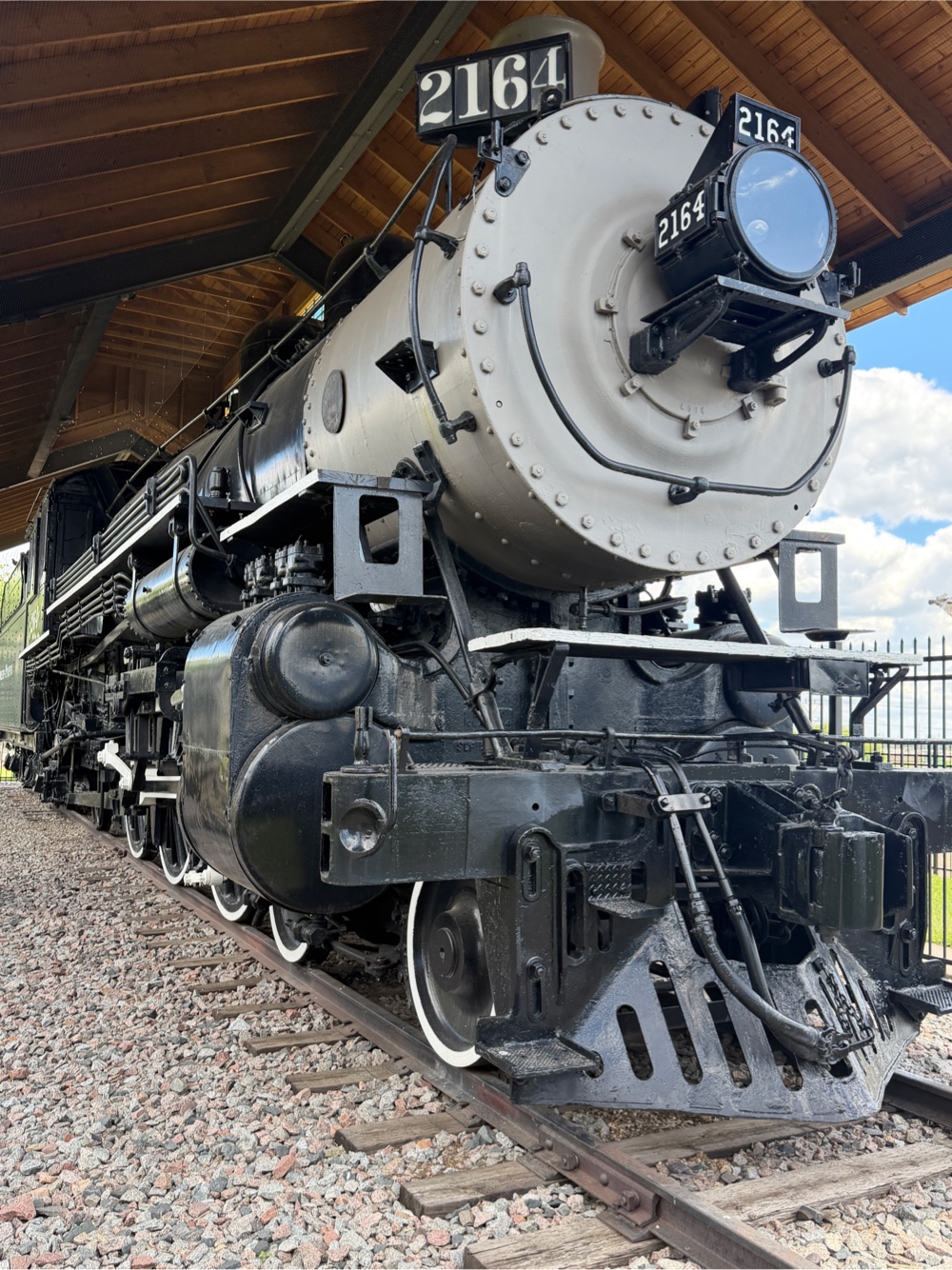
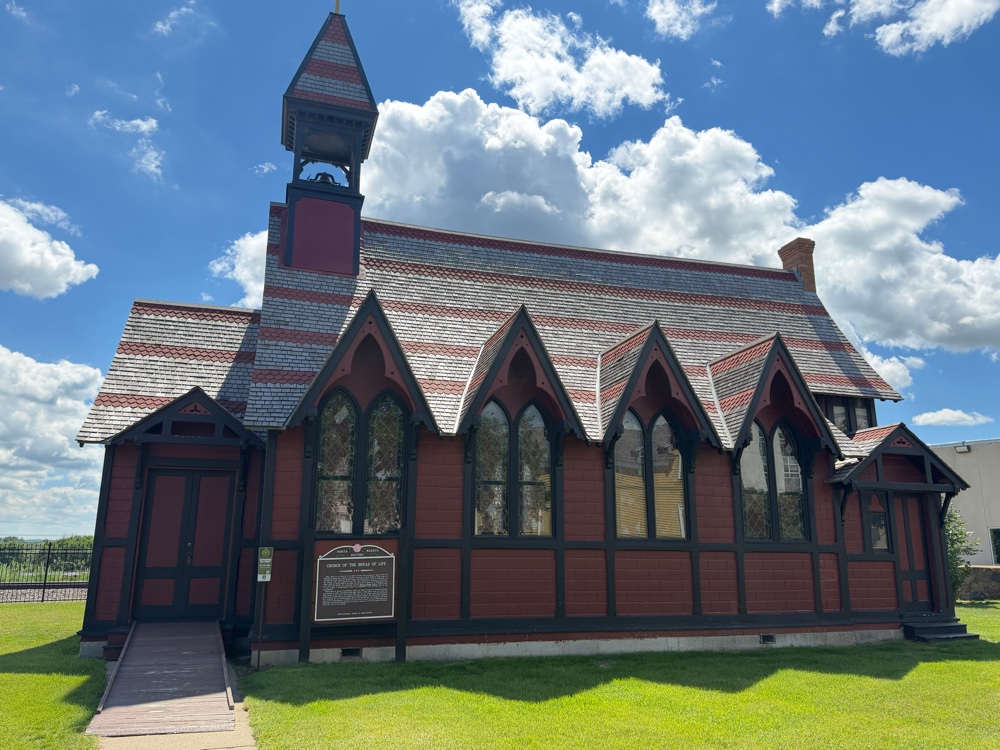
In downtown we walked around a 1909 Northern Pacific steam locomotive and the Church of the Bread of Life built in 1880. This Episcopal Church held the first non-catholic service in the city. The site also held a building which served as officers quarters for Camp Hancock infantry post from 1872 -1877. Both buildings were moved here from other sites.
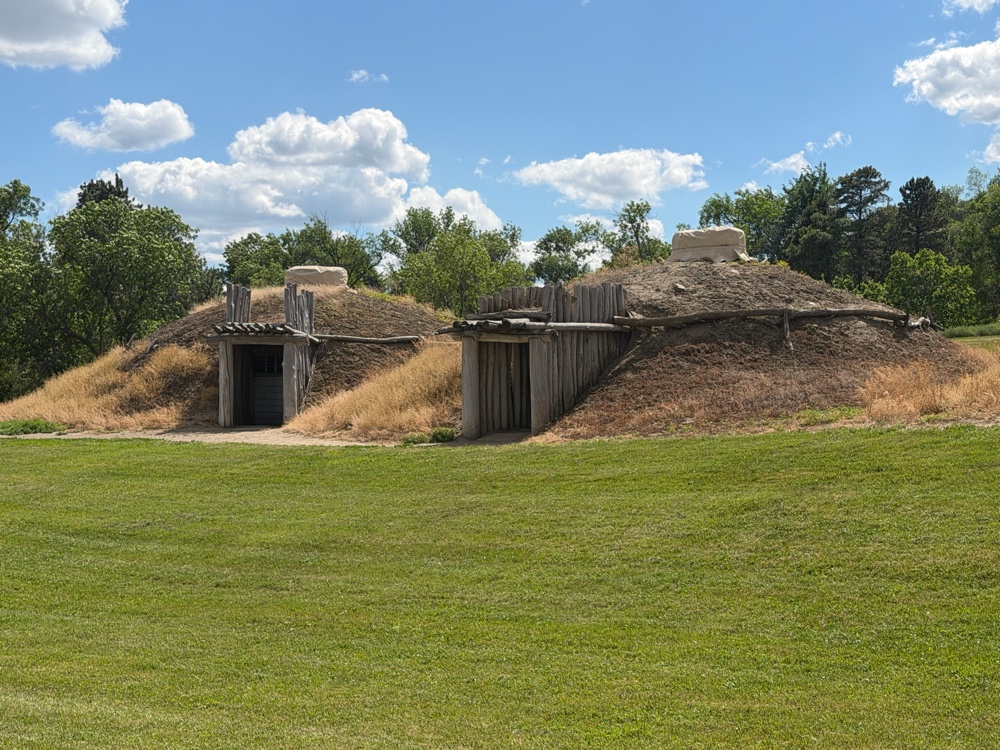
We also took an afternoon tour of Fort Abraham Lincoln State Park located on the west side of The Missouri River. The most interesting feature of the park are the earth lodges once used by the Mandan Native Americans. Using the rings on the tree trunks used in making the mud lodges, it has been determined that On-the-Slant Village was occupied from1650-1750. When Lewis and Clark expedition came through in 1804 the village was already in ruins and the Mandan had move about 60 miles up river. It is thought that over 75 lodges made up the village.
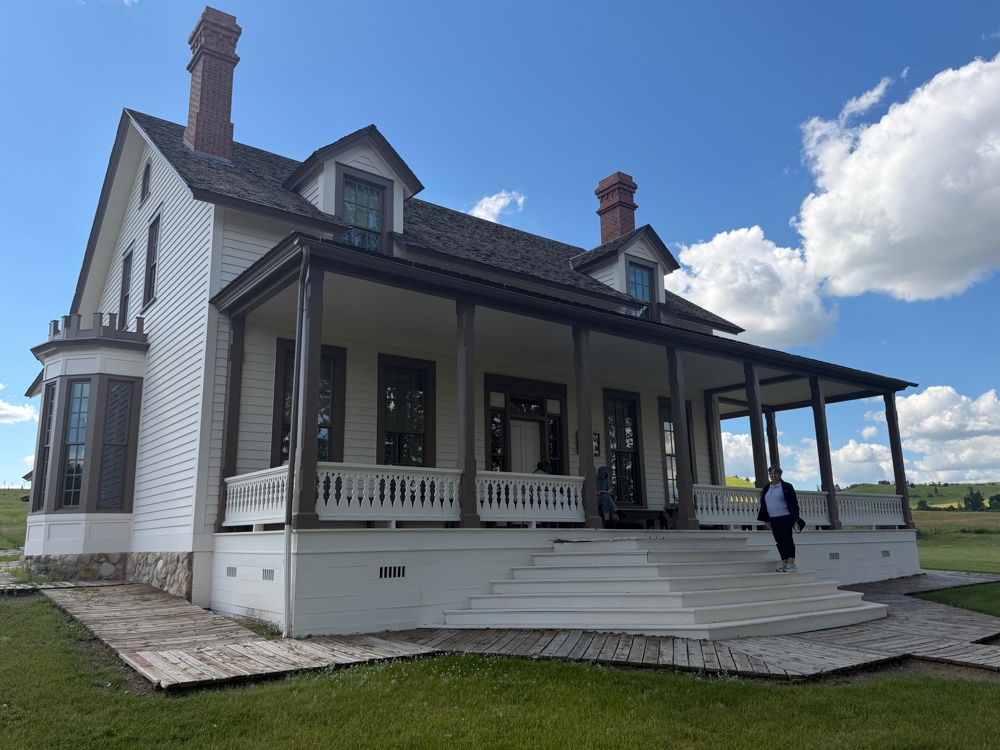
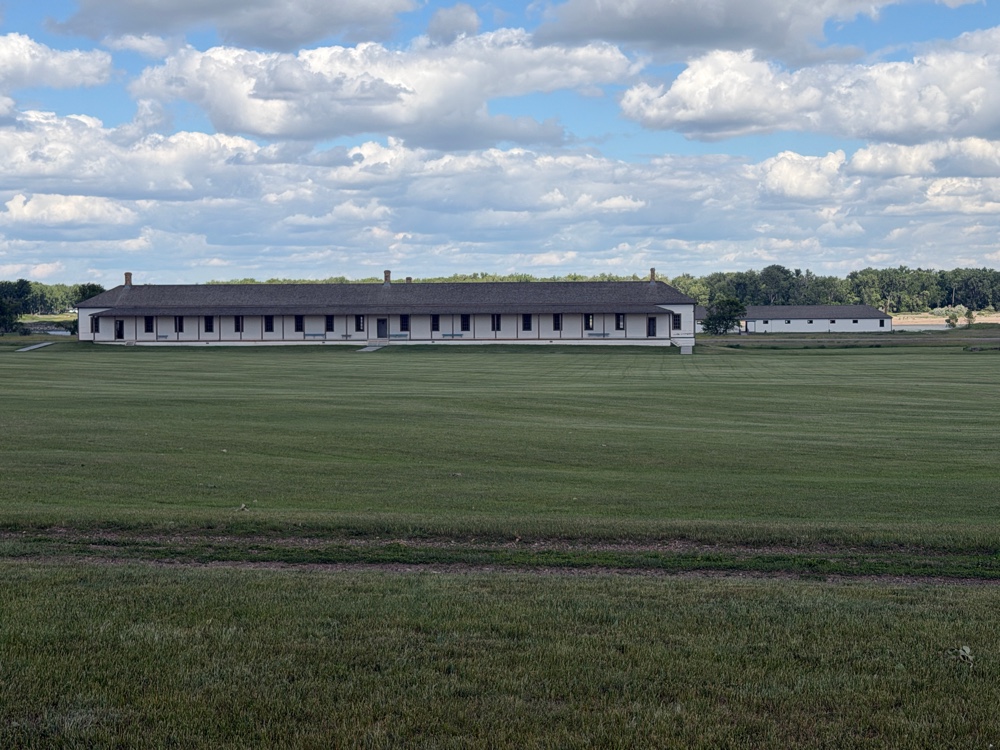
In another part of the park is the house, barracks and horse barn used by the American Army under the command of George R.Custer circa 1875. We got there too late to tour the home but we could peek in the windows.
Now on to the national park.

No comments:
Post a Comment