Sunday, August 4, 2019

Boulder

We left Atlantic City and moved on towards the Tetons, people and vehicles feeling dirty and grungy.  We stopped at a commercial park in Boulder, WY so we could wash the RV and Jeep as well as our clothes and bodies.  It started out as a hot, sunny day, great for washing cars , until thunderstorms started moving across the plains and into the mountains. Just as we finished shining up the windows and wheels, winds gusting at 62 mph blew in followed by rain!  All that work and nothing to show for it!!

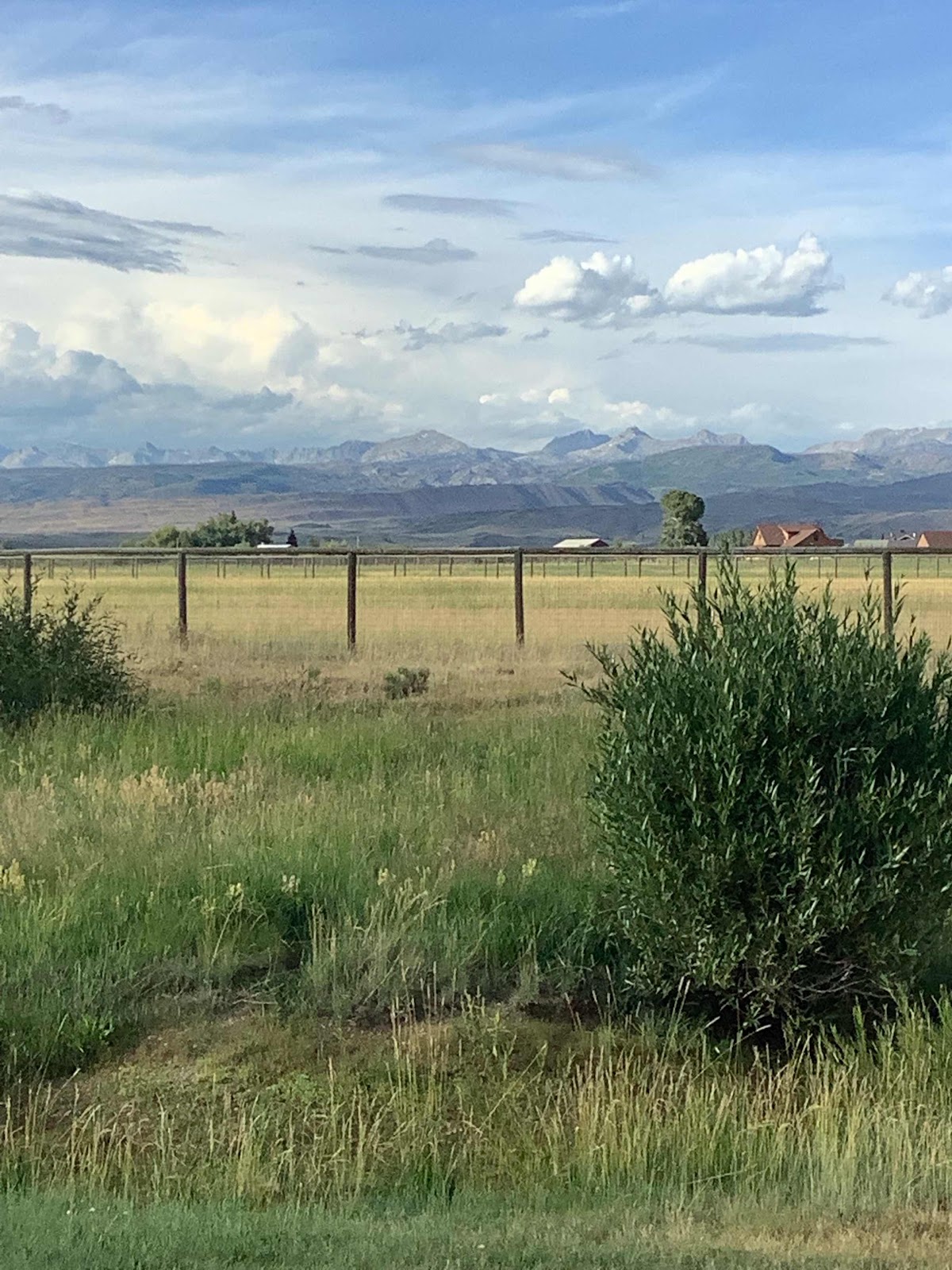
Oh well, once the storm passed we had a pleasant evening looking at the mountains bathed in the setting sun light while we ate a light dinner in the shade of the RV.

Saturday, August 3, 2019

Wide Open Spaces

Although our BLM campground is in a grove of pine and aspen, this area of WY is mainly open country.  We walked up to the top of the hill overlooking the campground and spotted Atlantic City 2 miles away, and had great views of the mountains to the west and the plains to our east and south. We startled a pronghorn antelope, which are plentiful in WY.  An interesting fact about pronghorns - they are the second fastest land animal (cheetah being first) but they cannot jump!

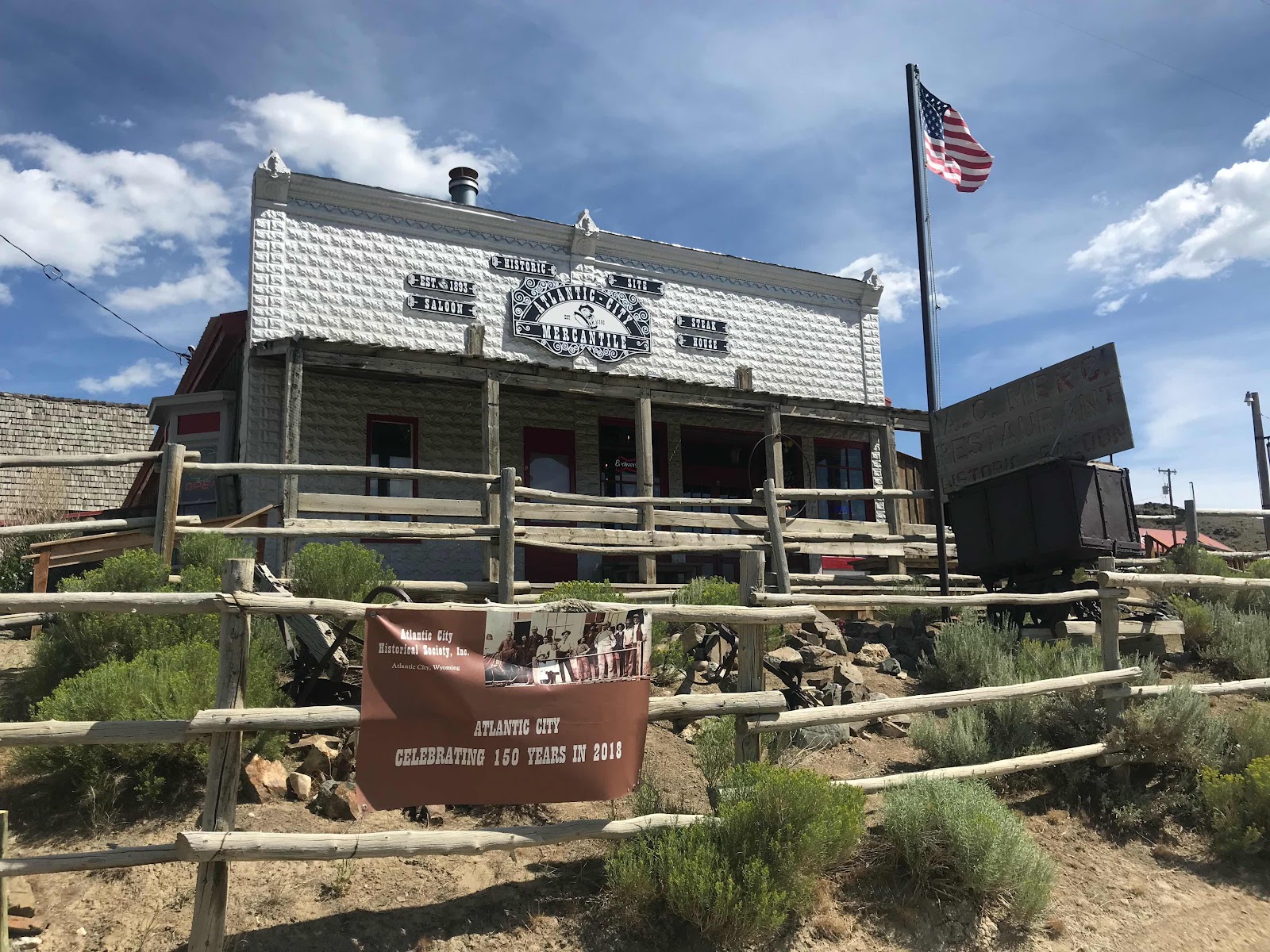
Back to Atlantic City.  It’s a living ghost town established during the gold rush of the 1860’s along with South Pass City and Hamilton City.  It claims a population of ‘about 57’.  The other two towns are dead. An historic walking tour of the city takes you to about 30 sites including the Episcopal church, the Atlantic Hotel, Huff Candy store, and the Giessler Store and Post Office aka Atlantic City Mercantile.


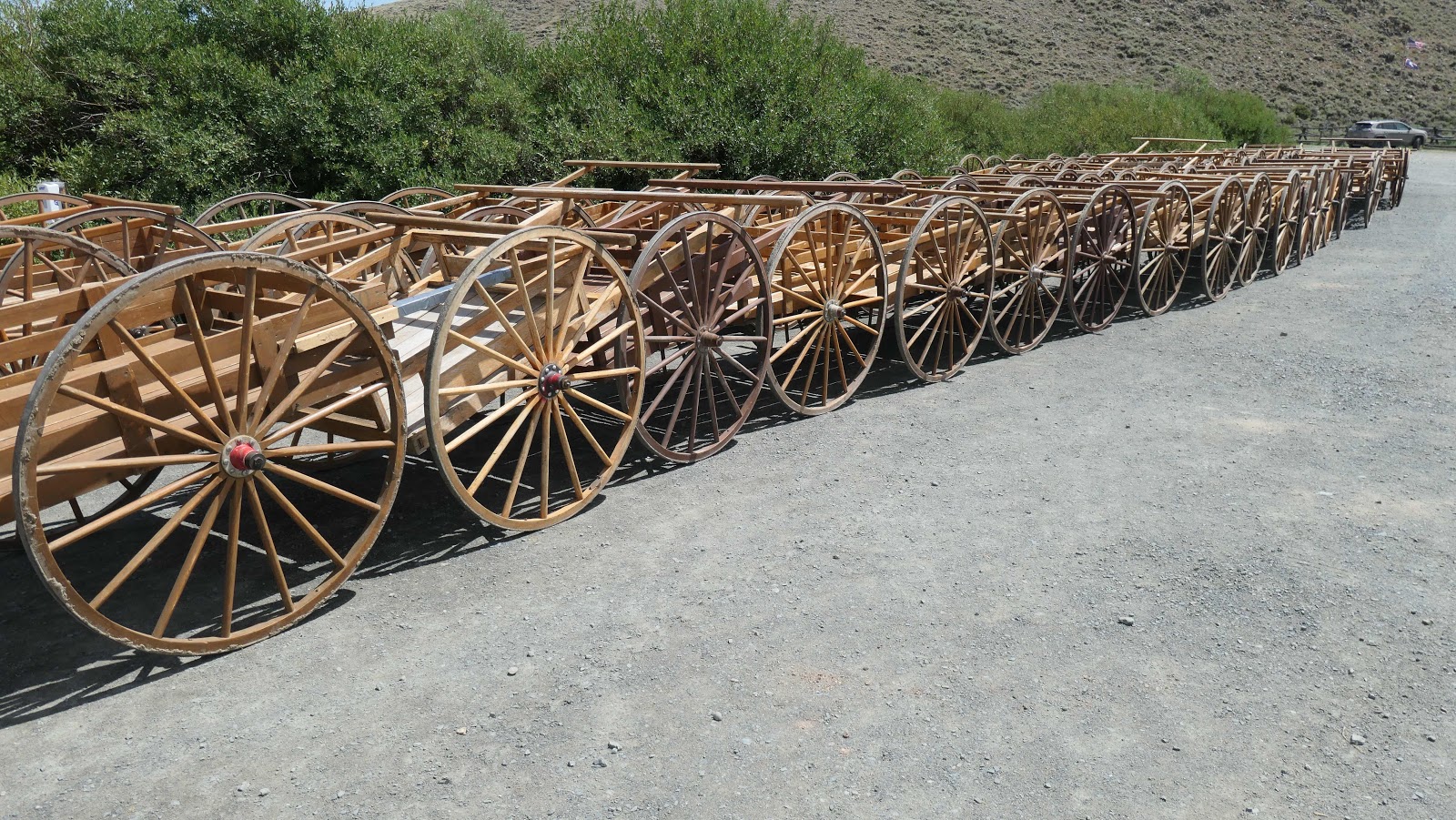
As we continued to explore the area, we traveled along the Mormon Pioneer National Historic Trail and stopped at a site called  Rock Creek Mission.  On Oct 23,1856, during a freezing snow storm, The Willie Handcart Co. led a larg group of Mormon families over Rock Creek Ridge to a point where supply wagons were waiting. They were pulling 2-wheeled handcarts for 3 miles up a 600 ft ridge and had already traveled 11 miles in freezing weather.  By the time rescuers came, 15 men women and children had died and many suffered frostbite.  Today Mormon groups camp here so they can re-create that fateful trek, pulling over 200 handcarts for 14 miles and up the ridge in one day.  

Friday, August 2, 2019

Sink or Rise

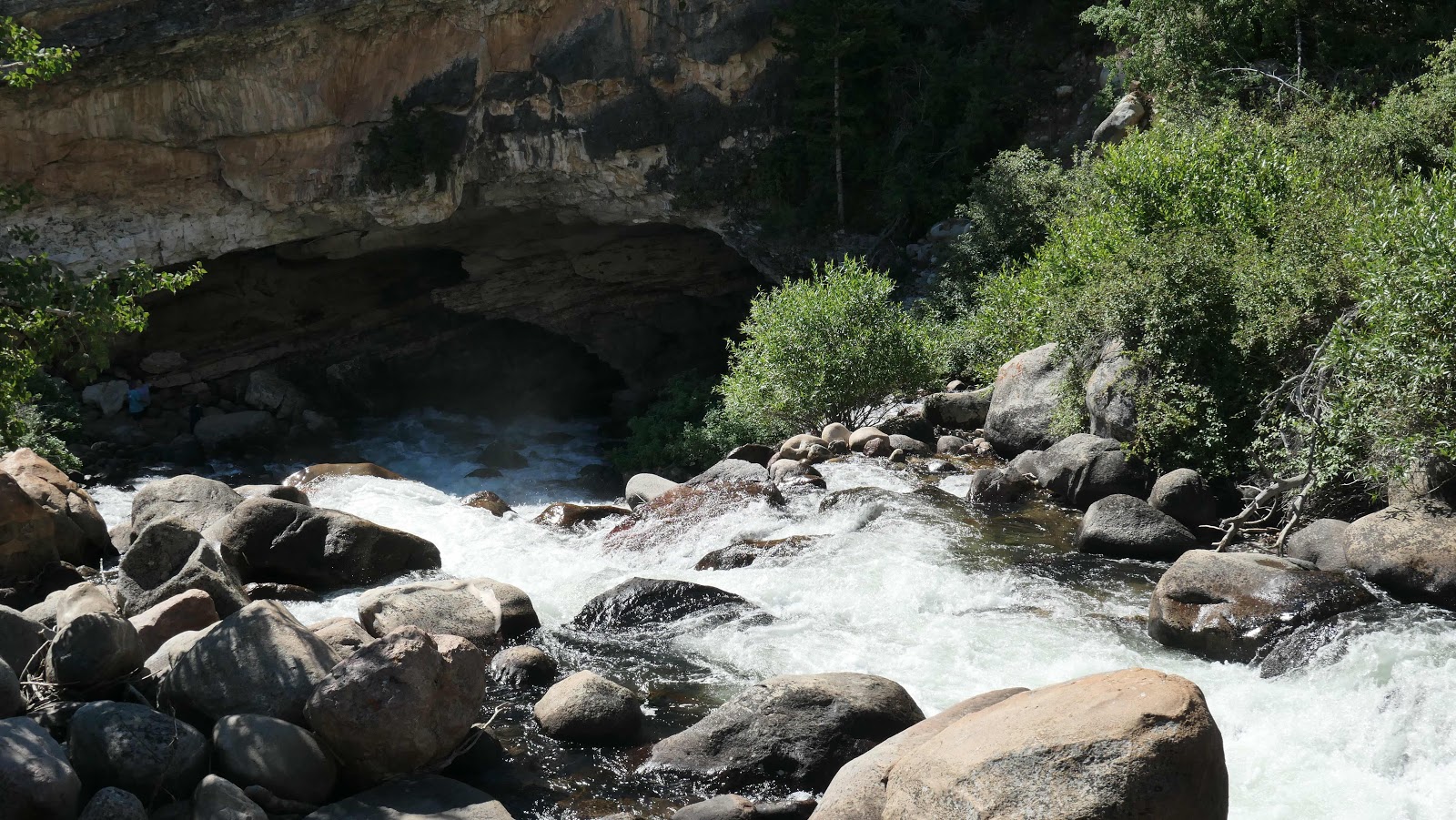
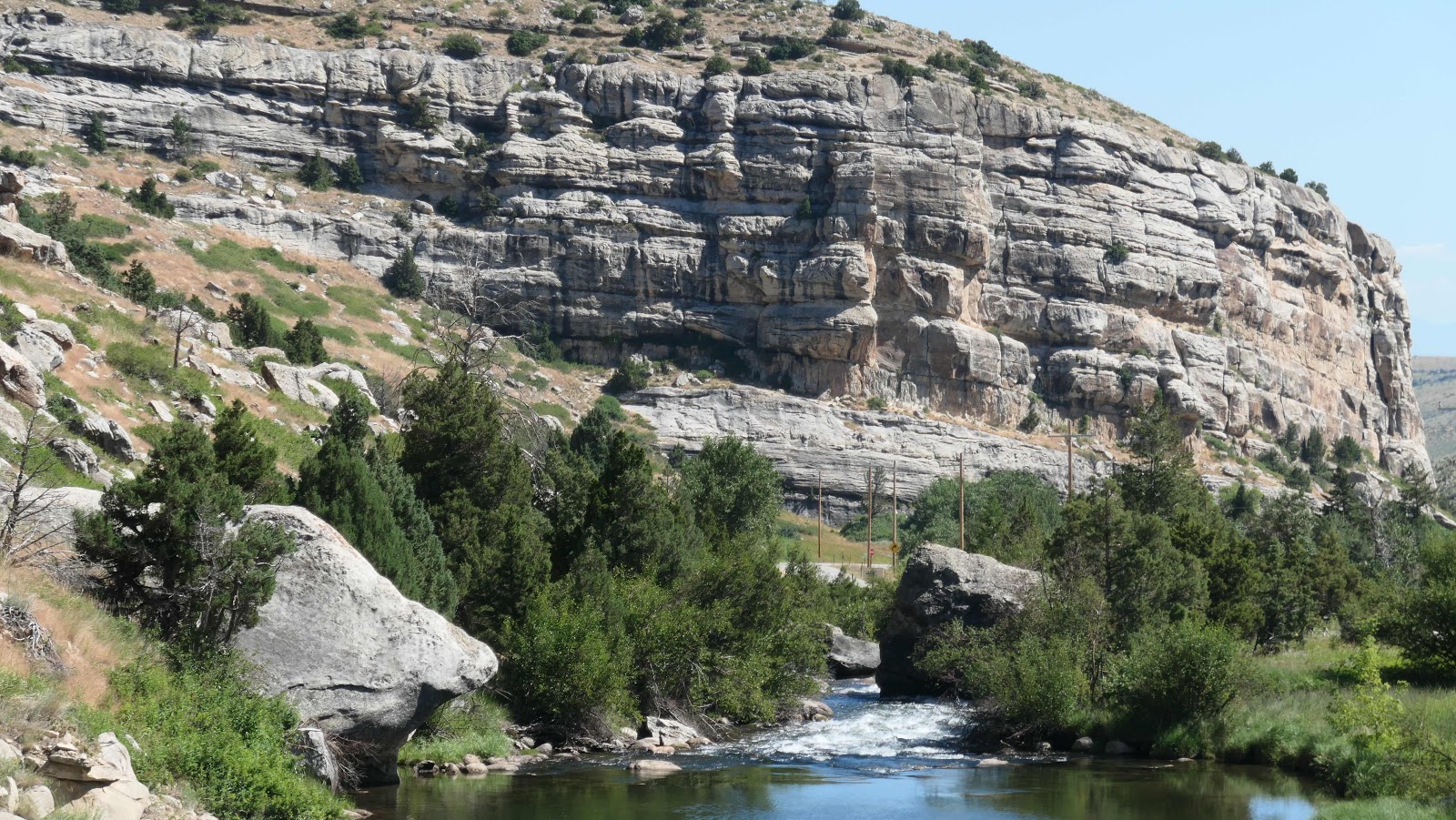
Sinks Canyon is so named because the Popo Agie River (pronounced Po-Po-Shuh) is a cascading mountain stream that disappeares into a cavern and reappears in a calm pool 1/4 mile downhill in what they call a Rise.  They are not sure what happens in that 1/4 mile but the pool at the rise is chock full of trout weighing up to 12 pounds!  Sorry, boys, no fishing allowed.


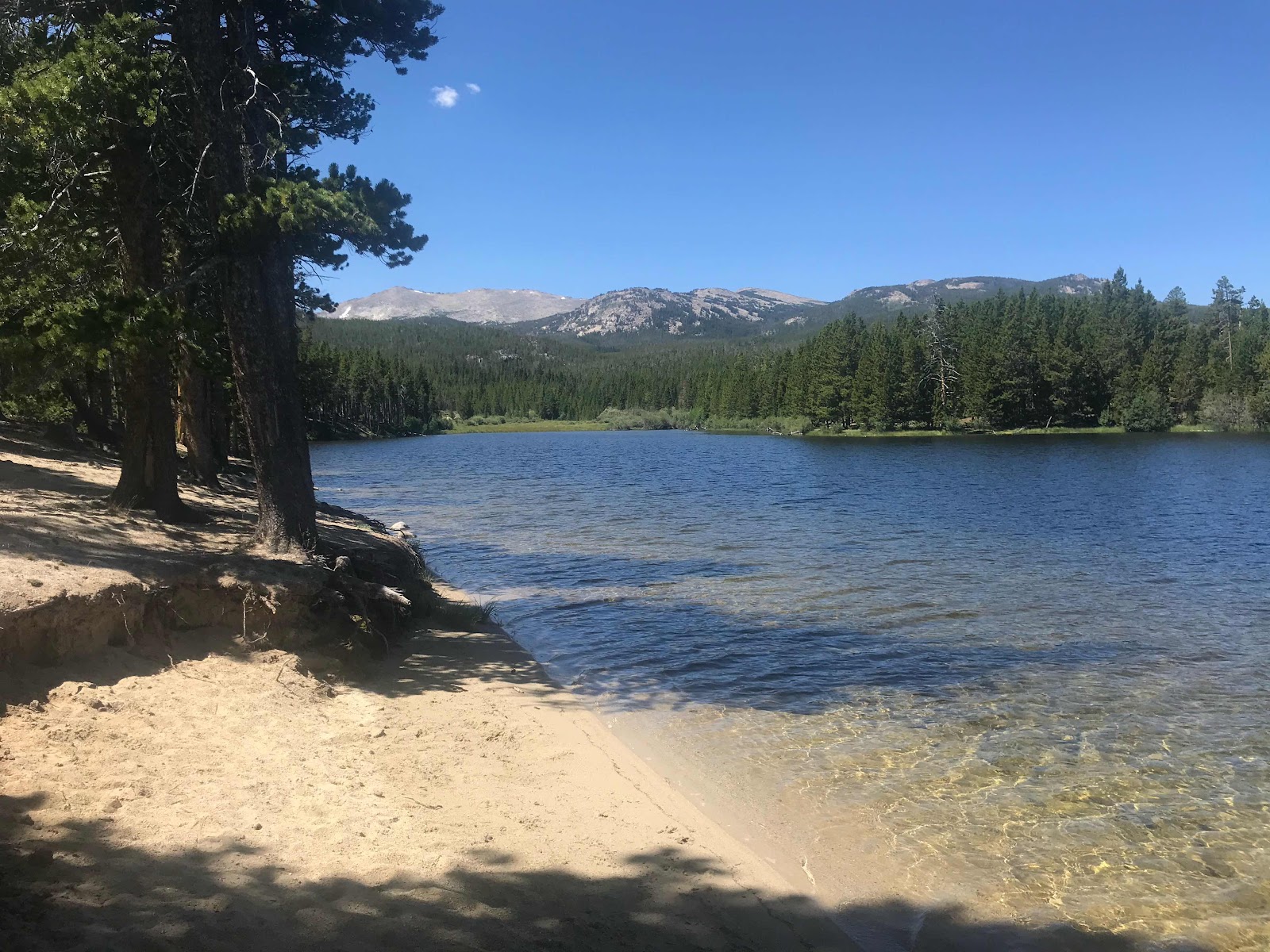
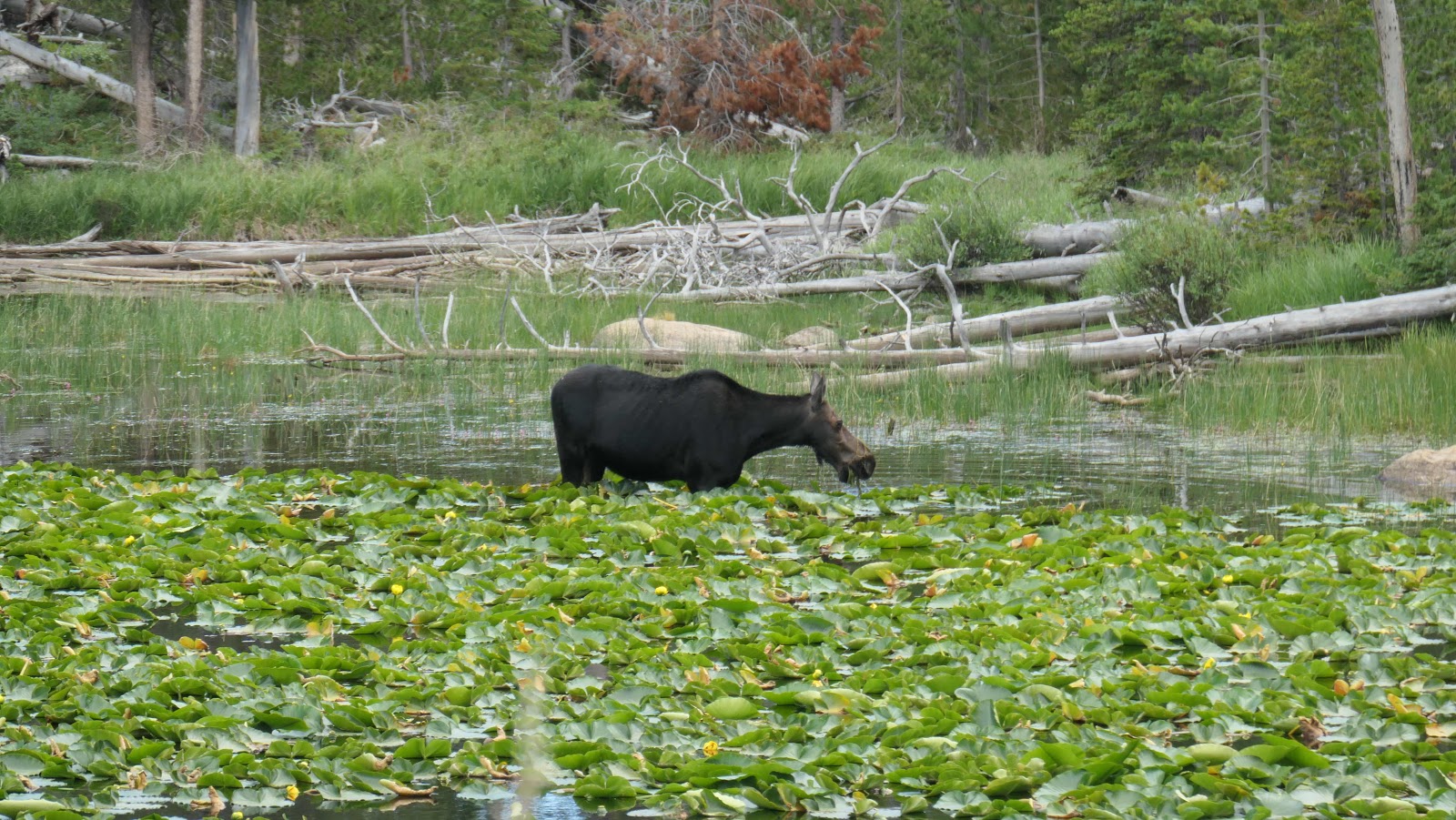
After we left the Sinks, we crossed over the ridge and explored the Wind River National Forest, mountain lakes and streams.  We spied a moose cow munching on water lilies at one creek.  Mid afternoon we realized we were near a BLM campground and should try to snag a spot so we sped down to Lander, retrieved the RV and rushed back.  Lucky for us it was still there!

Thursday, August 1, 2019

Tough Travel Day


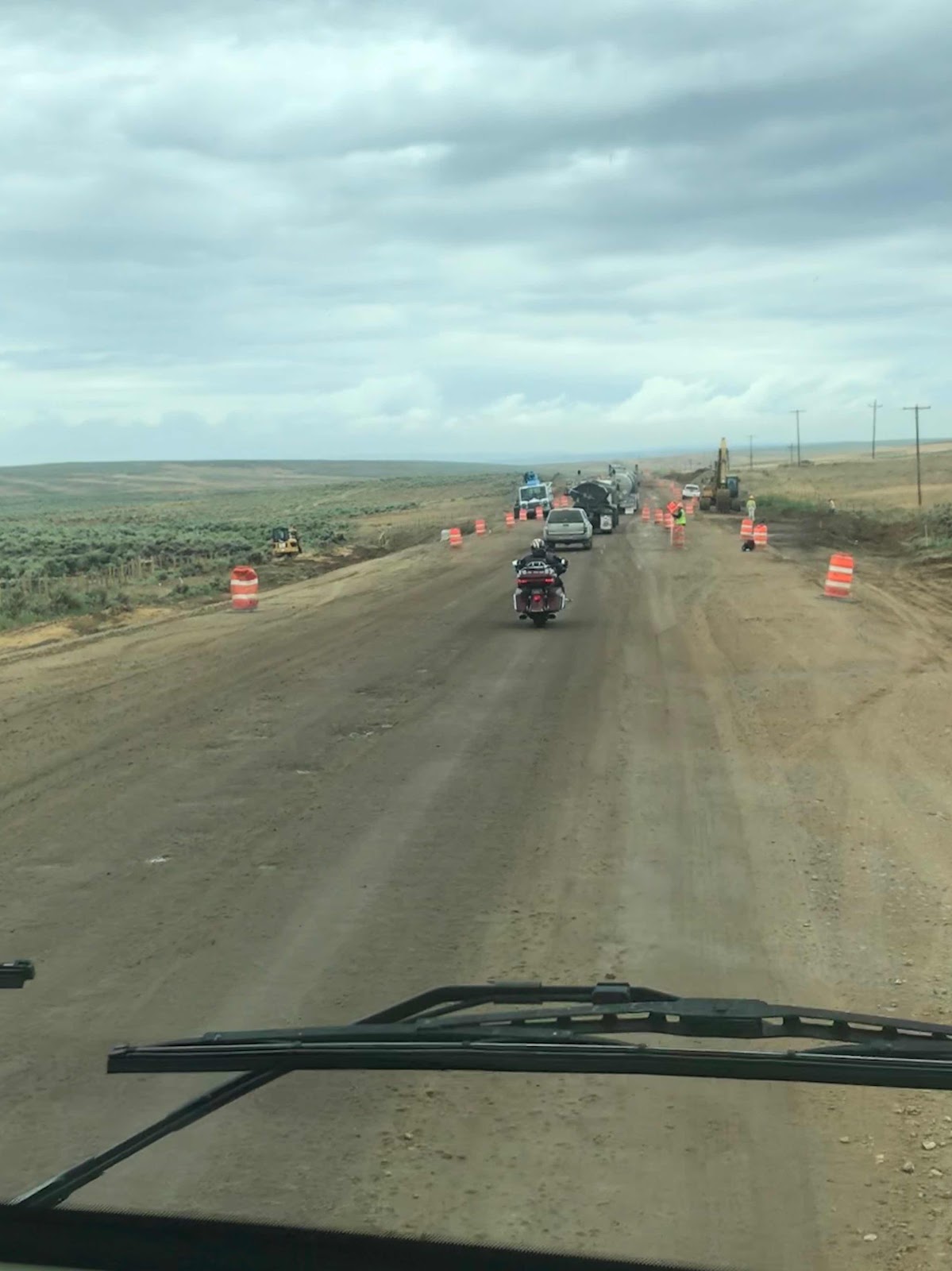
We left Steamboat Springs and headed north into Wyoming looking for cooler weather and fewer campers.  We had hoped to get into Sinks Canyon State Park in a walk-in site but events conspired against us. First we left late.  Second we came upon road construction.  The sign most RVers dread seeing read “Pavement Ends.” A gravel road after a recent rain left our RV covered with dirt and our towed Jeep unrecognizable under a layer of mud. That gravel road also gave us 2 new rock chips in the windshield which fortunately we were able to have repaired in Rawlins. Third we could not get turned around in the campground and had to unhitch the car & back out. There were no suitable sites available so we ended up going back down the mountain and spent the night in Lander City Park (cost $0).

Wednesday, July 31, 2019

Revisiting The Boat

It was a hard decision for us to make as to whether we stay in CO or start moving northward towards the Grand Tetons.  It’s been awhile since we have stayed in both places but the Tetons won as it is one of our favorite places to camp.

We stopped in Steamboat Springs for a few days so we could eat at some nice restaurants and ride our bikes along the Yampa River. Seven years ago we dined at a new restaurant called The Laundry.  They are still in business and still serve excellent food.  We put 15 miles on our bikes today as we rode the River Trail, a fairly level paved path, from one end of town to the other.  

Sunday, July 28, 2019

Away from Missouri Heat

We left home in the RV on Saturday, July 19, destination Colorado, where the heat and humidity of Missouri would be left behind.

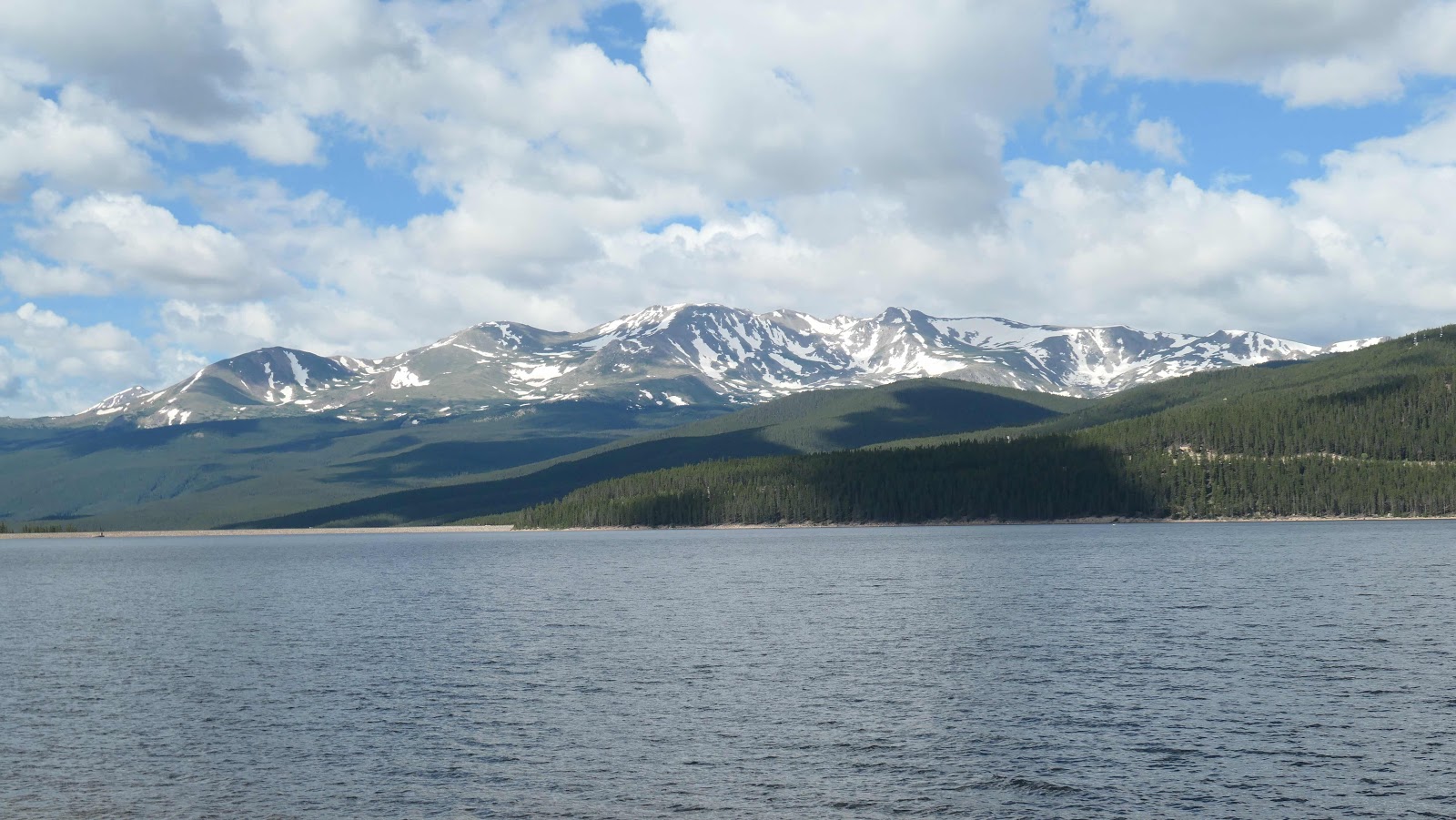
After spending 4 nights in Ray and Judy's  driveway in Conifer we headed west and ended up on Turquoise Lake near Leadville.  The campgrounds in all of Colorado are full so we felt very lucky to snag the last walk-in site in Baby Doe Camp.  While in Conifer we rode bikes and took long walks, while at Baby Doe we rode bikes up hilly roads and took long hikes along the lake shore and up the mountain.  

I guess we can brag that we hiked the Colorado Trail/Continental Divide, but it was only for 2 miles.  That doesn’t sound like much but it was 2 miles up, 2 miles down plus another 2.6 along another trail. That wore us out completely!

Saturday, March 9, 2019

Lazy Day

March 9, Saturday 

It’s has been a pleasant and relaxing day since we didn’t have to get up and go somewhere or do something.  We tried kayaking out to deep water to snorkel but turned around as we were afraid we would not be able to get back in the kayak once we were out of it. So we walked out to the edge and floated along the channel.  The water is murky today so we didn’t get very good pictures..

After naps this afternoon we drove all the way around the island,  a total of 37 miles.  There are some beautiful beaches, cute villages and beautiful sites of the mountains and jungles. Sorry, no pictures as we were too busy enjoying the views! 

Friday, March 8, 2019

Another Snorkeling Day

March 8, Friday 
We signed up for this tour on the recommendation of our landlord.  And he was correct, this was a very fun day even though we had done part of this area before.  There were 11 of us on the outrigger boat plus Captain Wilfred and mate/chef Elvis.  As we cruised the shoreline they entertained us with ukulele, drum and singing.

We paused in one large bay to view the mountains of Mooréa. One peak has a hole at the very top that’s not easy to see and if you use your imagination there’s a face peering into the heavens with the hole as it’s eye.  In broken English Wilfred told how Mooréa got its name from a legend about a yellow lizard whose yellow belly lit up the sky.  Mooréa means yellow (rea) lizard (moó).

We snorkeled with stingrays and sharks again but, since they were being fed, other fish showed up like jack fish and parrotfish.  Our second stop was at the ‘coral gardens’ after we dropped off Elvis so he could cook our lunch. Again we were feeding the fish so many more fish appeared. 
Lunch was on a Motu or small island.  Wilfred demonstrated opening a coconut, scraping out the meat and squeezing the scrapings through cheesecloth to get the coconut milk.  Together with lime juice he mixed it into raw tuna with onions, tomatoes and cucumbers, which produced ceviche served in a coconut cup. Elvis had grilled chicken and baked plantains along with rice and pomelo to round out the meal.  Then brownies for dessert.
Wilfred had a couple of coconut fronds that he wove into hats then he showed us medicinal plants along the shore to use to cleanse the body on the outside and inside.  John napped.  We enjoyed more music on the way back.  

Beautiful day!


Thursday, March 7, 2019

Back to Mooréa

March 7, Thurs.

We disembarked from Crystal Symphony and caught the 11:30 ferry to the island of Mooréa, a 30 minute ride.  It too over an hour to get our rental car, a very small Peugeot. A quick lunch was followed by a drive on the only road around the island past our residence and along the coastal road to explore the area, check out restaurants, grocery stores and landmarks. Of course the nice looking dive bar pulled us in for a beer before heading to our cottage at Poerani.  It’s a small complex of buildings with a large house for four couples and three small cottages around a green lawn and right on the shoreline.
It has been very hot and humid today, even the locals think its hot!  Our cottage is an open air house with one enclosed room with AC while the other rooms have fans only.  We sure hope the weather cools down soon!


Wednesday, March 6, 2019

Pepeéta Tahiti

March 6, Wednesday

Pepeéta (pronounced ‘Poppy-eh-tay” means water basket due to the abundance of natural springs on the island.  Pepeéta has a population of 27,000 and the island has 200,000 people with 80% of them located near Pepeéta or the airport which is in Faaá. I mention this only because I like pronouncing the name - Fa-ah-ah-ah!

A quick city tour took us to the Assembly building where the ‘Queen’s Bath’ is located.  It used to be part of Queen Pomare IV palace but is now part of the beautiful gardens surrounding the Assembly.  As we left the city and suburbs our guide gave us a few facts about the French Polynesian islands such as it encompasses 5 million square kilometers of ocean, 3600 square km of land and 6 archipelagos and 118 islands with 76 islands inhabited. 
The ancient temple - Marae Arahurahu - has a large alter that was used for sacrifices fronted by a large rock plaza and homes or huts for the elders.  The tikis scattered about are to protect the site and the people.

Our next stop was at the Gardens VaiPahi where I really enjoyed all the flowers such as the Porceline Rose of the ginger family, the Monnette and the water lilies.
A local couple who have live on the island for over 40 years in a home that was built in the 1930’s opened their garden to us.  Juliette is very versed in the medicinal qualities of the trees and shrubs found aroun the grounds such as the Noni plant that is a cancer preventative and the Tamanahi oil used for skin problems. She also gave us the full history of the house as we ate fruit grown here.
Our last stop was at the Fern Grotto, a 100 yard deep cave with 10 foot ferns hanging from the cliff overhead.  We might have enjoyed this stop more if it hadn’t been raining.  

Tuesday, March 5, 2019

Bora Bora Snorkeling

March 5, Tues


This day was much like the snorkeling day we had on Mooréa. It seemed like more sharks at this location and the current was not pulling us around which was good.  We stopped at a couple of different sites and we enjoyed it all.
Following lunch we went ashore again to walk around but it was so dang hot and humid that we gave up on that after about 40 minutes and went back to the ship.  Most of the shops were selling black pearls but I’m just not that interested in them.  I did make John stop at a grocery store to buy a bottle of water, some chewing gum and a bottle of sunscreen.  When he saw the price of the sunscreen he about had apoplexy- $23!  I didn’t think it was that bad. 

Monday, March 4, 2019

Raiatea

March 4, Monday

Raiatea (pronounced Rye-a-tay-a) is considered the religious and cultural center of the Polynesia Islands.  During our tour this morning our Polynesian guide pointed out that this island is the center of the islands of Hawaii, Easter Island, New Zealand and islands west of here. He also pointed out that rocks from Raiatea’s temple were taken to the surrounding islands as the beginning of temples on those places.
But first we rode in an outrigger power boat along the shore and up into the fresh waters of the Faaroa (Fa-ah-roe-ah) River.  We went as far as we could before it got too shallow for the large boat.  Ahititi, our tattooed native guide, invited us to join him in a ritual of horn, nose flute, drums and song that he sang to the forest and streams as a way of honoring their spirit and power.  It was from here that the great migration voyages to Hawaii and New Zealand started.

We got off the boat at Marae Taputapuatea, a sacred temple area of great archaeological importance. From here we rode in eight passenger Land Rovers up to the huge crater of a volcano that blew out over a million years ago. Today it is the cradle of agriculture for the island where they grow Mano, papaya, limes, grapefruit, breadfruit, bananas and much more.  There are hydroponic gardens growing lettuce, tomato, cucumber, eggplant and other vegetables. 
Vanilla bean pods growing on vine. 

 Then we saw the best vanilla beans in the world grown under shaded screens dotting the hillsides.  The Tahitian vanilla bean is considered the best tasting but it is a very intensive and time consuming process to grow them.  Each flower on the vine has to be hand pollinated (there are no bees) and it has to be done quickly because they only bloom for 6 hours.  It takes 9 months for the bean pod to grow and it can have only 2 hours of direct sunshine every day.  The pods are picked and dried for another 6 months, then they are massaged to determine their moisture content which has to be at 38%, more or less than that and it goes bad.  When the 38%i is reached they are put into a dark room for 3 months before being sold.  They cost $600 per kilo.
Sunday, March 3, 2019

Stingrays and Sharks

March 3, Sunday

I woke this morning with the back of my legs sunburnt to a point that aloe vera gel was necessary but that didn’t stop us from snorkeling again today.  I just wore long shorts and shirt.


The ship was moored off-shore again of the charming island of Mooréa.  We will be spending several nights here later this week but for today, we enjoyed the warm waters inside the breakwaters, protected from the waves of the Pacific Ocean. A short boat ride took us past the Intercontinental Resort and to the small islets of Tiahura and Fahrenheit where we swam with stingrays, sharks and fish in beautiful coral gardens.  The water was mostly chest high but had a very strong current.  Many tourist were hanging out here as the boat crew spread food to attract the stingrays and black-tipped reef sharks.  But we also saw many other beautiful fish and distinctive coral.


Fighting that current wore us out and made us very hungry!  It’s a good thing we could get a nice big, juicy hamburger for a late lunch!


Saturday, March 2, 2019

Fakarava

March 2 Sat.

After two days at sea with out normal activities we moored off the coast of the island of Fakarava in the French Polynesian chain of islands. Fakarava is a long narrow island - 37 miles long by 13 miles wide at it widest, mere yards at its narrowest. Since the ship is moored off-shore the ship’s life boats are used as tenders to ferry us to shore.
We walked from the jetty carrying all our snorkeling gear and towels through the small village but after about 1/2 mile in the heat we decided that the search for a nice snorkeling spot would go faster if we went back to the jetty and rented a couple of bikes. We found the right spot, snorkeled for a long time then decided to try and find another, maybe more secluded beach along the single paved road.  Ten kilometers later we turned around haveing seen nothing but private homes, palm trees and sand - no beach. And no shade from the relentless sun. 
A small snack shack drew us in for lunch then we snorkeled for a bit before heading back to the ship.  Sweaty, sunburned and tired, we had cool showers, took a long nap then went on a galley tour of the ship’s huge kitchen.
It takes two men to keep the coffe makers working making 100 gallons of coffee each day; they also bake 5,000  of their own breads, rolls, pastries and croissants; 2,000 pounds of meat is cooked daily, and they use 2,300 eggs every day.  The food is kept on two different floors below the galley.